
Introduction to strength training
You don’t need to follow dozens of pages of internet celebrity training plans, or spend thousands of dollars on protective gear and supplements. As long as you grasp the three underlying logics of “prioritizing movement patterns, progressive load as the core, and recovery and training are equally important” and persist for 6 months, you can surpass 80% of enthusiasts who practice blindly in the gym.
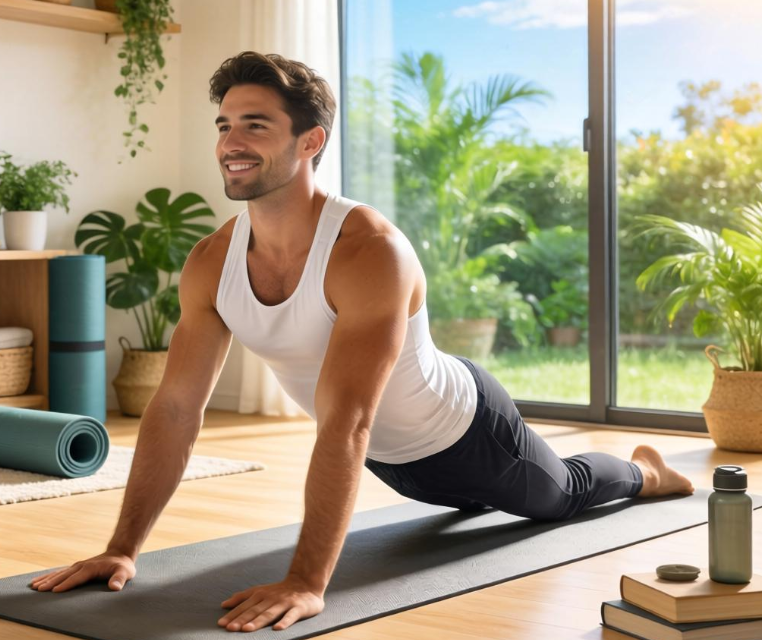
Did you just get started and all the content you saw were about fighting? Some people say that novices must start with the three major disciplines of squats, deadlifts and bench presses. Some say that novices must practice core training for half a year before they can touch weights. Others say that they cannot get started without hiring a personal trainer. In fact, these statements have their own applicable scenarios, and there is no absolute right or wrong. For example, if you already have postural problems such as rounded shoulders and lumbar muscle strain, you will definitely get injured if you start practicing deadlifts directly. Then you can do some seated rowing and YTWL fly exercises for a few weeks to activate the core of your shoulders and back, which is absolutely fine. If you usually like to run, jump and play ball, and have good basic coordination skills, you can start practicing directly from the three major events of empty bar, which will be more efficient.
When I first started, I fell into the trap of "newbies just focus on the weight." People on the Internet said that to get started with deadlifts, you need to pull your own weight. I weighed 70kg at the time, and I put on a 70kg plate. When I pulled, I bent like a shrimp. The next day, I lay flat for a week, and even sneezing hurt. Later, I honestly asked the coach to adjust the hip flexion mode for 3 classes. I practiced empty bar deadlifts for two full weeks. Every time I pulled, I stared at the mirror to see if my back was straight. Now after practicing for a year and a half, I can deadlift 160kg steadily, and I have never had any problems with my waist. Really, spending two weeks as a novice to hone your movements will be more effective than practicing blindly for half a year. Don’t be too slow. When it comes to fitness, fast is slow, and slow is fast.
There is no need to stick to the "standard movements" in the textbook. Everyone's joint mobility and bone structure are different. For example, when squatting, some people need a small piece of pad on their heels to squat to the end. There is no need to force yourself to squat flat with your heels on the ground. As long as your knees are not buckled in and your back is not bent, the movement that suits you will be correct. I once had a friend whose acromion was naturally prominent. It hurt when he opened his elbows at 90 degrees when he benched. But if he changed his elbows to a 45-degree angle, it was no problem at all. The feeling of the body is always more important than the tutorial standards.
Many people have been practicing exercises for two or three months, but still use 2.5kg dumbbells every time they go to the gym to do shoulder exercises. After practicing for half a year, the dimensions have not increased at all. This is because they do not understand the progressive load. In human terms, you have to slowly put pressure on your body. This week you can do 10 lateral raises with a 5kg dumbbell. Next week, try to see if you can do 12, or switch to 7.5kg and do 8. As long as there is progress compared to the last time, you don't have to be too stuck. There are also different opinions here. Bodybuilding-style training requires resting between groups for about 60 seconds, which is more efficient in building muscle. Powerlifting training requires resting for 3 to 5 minutes before hitting the maximum weight. In fact, novices don’t have to worry about this at all. After breathing well, the muscles that were exerted just now are no longer sore, and then do the next set. The first goal when starting to practice is to develop a habit, not to vomit yourself.
Oh, by the way, don’t rush to ask if you want to buy protein powder or creatine just two days after training. I still have half a bucket of 5 pounds of whey protein powder I bought during Double 11 last year. It’s not that it’s not easy to use. I usually eat 2 eggs every morning, about 200g of beef or chicken breast at noon, and drink a glass of pure milk at night. The protein is completely enough and I don’t need to supplement at all. If you usually eat in the cafeteria and can't eat so much lean meat because of the heavy vegetable oil, it's OK to buy a bucket of protein powder to make it. It's a convenient source of protein. Don't treat it as a magic medicine. It's useless if you don't practice. As for creatine, academic research has now confirmed that it is indeed useful and has no side effects. If you want to improve your training performance, you can spend dozens of dollars to buy a can that can last for half a year. It is very cost-effective, and it will not affect your entry if you don’t want to buy it.
Many people have just started practicing and want to go to the gym seven days a week. I have done this before. In the first two months of training, I practiced six days a week for one and a half hours a day. As a result, I got stuck at the end of the second month. I couldn't increase my bench press weight, and I suffered from insomnia and hair loss every day. Later, I listened to my friend and changed to training four times a week, one day off and one day off. I slept 8 hours a day. After training, I ate more braised chicken drumsticks in the evening. In less than a month, my bench press increased by 5kg. There has also been a lot of debate recently about "whether stretching is useful." Many studies now say that static stretching after training is not very effective in relieving delayed-onset soreness and preventing strains. On the contrary, dynamic warm-up before training is more effective. However, I still stretch for 5 minutes after each exercise, just because I feel comfortable after stretching. If you feel that stretching is useless, you can just walk after training. Don't listen to others saying that if you don't stretch, your training will be in vain. Your own feelings are the most important.
Actually speaking, there are really not that many barriers to getting started with strength training. If you don’t want to go to the gym, buy a pair of adjustable dumbbells at home, or even use a mineral water bottle and your own weight to practice squats, push-ups, and glute bridges. Do it three times a week for 20 minutes each time for three months. You will clearly feel like you can climb the fifth floor without getting out of breath, or carry a package of more than ten kilograms upstairs without any effort. It is better than any fancy plan. If you feel pain or tingling in your joints during practice, don't hold on hard, stop and adjust your movements quickly. If it doesn't work, find a reliable coach to take a look. It's better than lying down for several months after being injured. Oh, yes, don’t compare your weight with others. Someone may have practiced squatting 150kg for five or six years. It’s normal for you to sway when squatting with an empty bar. Who hasn’t been a novice yet, right?
Disclaimer:
1. This article is sourced from the Internet. All content represents the author's personal views only and does not reflect the stance of this website. The author shall be solely responsible for the content.
2. Part of the content on this website is compiled from the Internet. This website shall not be liable for any civil disputes, administrative penalties, or other losses arising from improper reprinting or citation.
3. If there is any infringing content or inappropriate material, please contact us to remove it immediately. Contact us at:
