
Superfoods make humans say goodbye to three meals a day
At least in the next 20 years, superfoods will only become a supplement to three meals a day. There is neither technical inevitability nor social necessity to completely replace three meals a day, and there is no unified industry consensus.
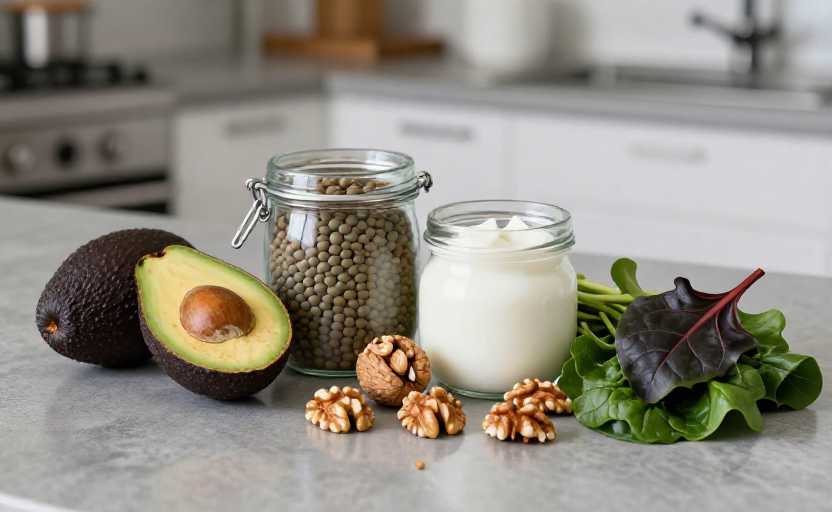
To be honest, as a practitioner in the nutrition industry, I actually tried an all-superfood meal replacement for three months when I was working on a project two years ago: I brewed a cup of complete nutrition powder mixed with chia seeds, phycocyanin, and quinoa peptides in the morning, ate an energy bar with insect protein and medium-chain triglycerides at noon, and drank fermented pea protein at night. + multivitamin milkshake, the daily intake of macronutrients and trace elements was calculated to be in line with the recommended amounts of the Chinese Nutrition Society. During the physical examination, my blood lipids and blood sugar were even more stable than when I usually eat home-cooked meals. The time saved in cooking, washing dishes, and waiting for takeout, I even passed the qualification certificate test that I had been waiting for for half a year.
Who knows, in the third month of taking it, I really felt like vomiting. It’s the kind of food that you know is nutritious enough, but it’s so bland that you can’t even think of a bird in your mouth. Until one time when I made a hot pot appointment with a friend, and the freshly blanched crispy tripe wrapped in sesame oil and garlic paste entered my mouth, I decided on the spot to put the remaining half a box of meal replacements on a second-hand platform.
There are actually quite big differences on this matter in the industry now. The technical people in Silicon Valley really believe that "three meals is a legacy burden of the agricultural society." When Soylent first came out, a group of engineers lived solely on this for three or four consecutive years. They calculated the calculations very clearly: the average time spent on eating is 2 hours a day, which is 30 days a year. They use it all for research and development and side jobs, and their life efficiency can be doubled. Now, with the development of nutriomics, we have indeed been able to put more than 40 essential nutrients needed by the human body and nearly a hundred phytochemicals involved in metabolic regulation into palm-sized energy blocks or powders according to the ratio. In special scenarios, such as astronauts leaving the cabin and scientific expedition teams entering no-man's land, superfoods account for more than 60% of the meals. Technically, they can fully support the need for "no need to eat regular meals".
But the voices of opposition have never stopped. Last month I had a meal with a teacher from the Nutrition Society, and she said that many people now have the opposite logic: the human body's absorption of nutrients is never a simple chemical addition and subtraction. When you eat natural broccoli, the dietary fiber, glucosinolates, and vitamin C in it work synergistically. If they are purified and supplemented separately, the absorption efficiency is up to 30% of that of natural foods. There is a more difficult problem to solve: eating is never just for nutritional supplements. The New Year's Eve dinner you have with your parents when you go home during the Chinese New Year, the candlelight dinner you have with your date, the skewers you make with your colleagues on the way home from get off work. These social attributes and emotional value attached to meals cannot be replaced by super foods no matter how awesome they are. Some studies have even shown that if you eat meal replacements that have no pleasant taste for a long time, your cortisol level will be 15% higher than that of people who eat normally, and you will be more likely to suffer from anxiety and insomnia.
Nowadays, more practitioners are actually centrists. They have never thought about "saying goodbye to three meals a day" and just make up for the shortfall. I have a friend who enjoys outdoor hiking. When walking in the uninhabited land of Qiangtang, he brought all the super food compressed blocks. A small box of 7-day supply was almost 10 pounds lighter than instant noodles and cans. He said that at that time, he really felt that this stuff was life-saving. But when he came out of the uninhabited land, he drove straight to the copper pot shabu-shabu restaurant in Lhasa at the first stop and ate two plates of mutton before he could recover. I always keep two bags of superfood powder in my desk drawer. When I rush to the morning rush hour and don’t have time to buy breakfast, or when I work overtime and miss my meal, I make a cup of it. It is much better than eating a piece of bread full of trans fats. But if anyone asks me to use this as a substitute for the fixed barbecue on Friday night, I will definitely fight him.
As for whether there will be a day in the future when everyone will say goodbye to three meals a day? At least no one among the colleagues I have come into contact with dares to guarantee this. After all, technology can solve nutrition problems, but it cannot solve people’s desire to take a bite of juicy fried chicken, drink a cold beer, or sit down and slowly eat a bowl of hot noodle soup with the person they like.
Disclaimer:
1. This article is sourced from the Internet. All content represents the author's personal views only and does not reflect the stance of this website. The author shall be solely responsible for the content.
2. Part of the content on this website is compiled from the Internet. This website shall not be liable for any civil disputes, administrative penalties, or other losses arising from improper reprinting or citation.
3. If there is any infringing content or inappropriate material, please contact us to remove it immediately. Contact us at:
