
Nutritional rice noodles for the elderly
Nutritional rice flour for the elderly is not an IQ tax. It is a cost-effective nutritional supplement option for the elderly with degenerated swallowing function, insufficient chewing ability, surgery or disease recovery. However, there is no need for healthy elderly people with normal teeth and good digestive function to use it to replace regular staple foods. When selecting products, give priority to the three core dimensions of low added sugar, high quality protein, and high dietary fiber, and basically avoid pitfalls.
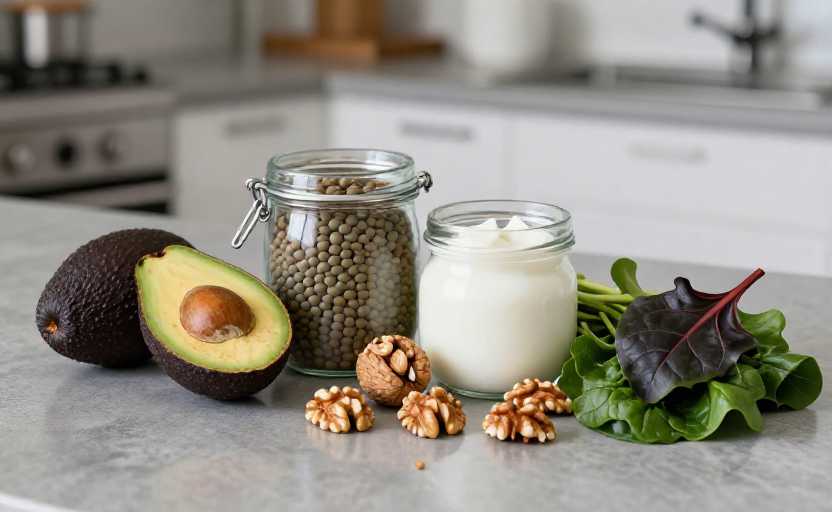
Last month, I went to a community to do a nutrition education for the elderly. As soon as I finished, I was pulled aside by 72-year-old Aunt Zhang. She was still holding three cans of rice noodles as a gift from someone who knew where. She said that her husband suffered from dysphagia after a stroke last year. She was lactose intolerant and had diarrhea after drinking milk. She drank white porridge every day until her face became sallow. A person who was promoted at a lecture a while ago said that this rice noodle can lower blood pressure. I spent more than 1,000 yuan to buy half a year's supply. However, after eating for half a month, my blood pressure did not drop and my fasting blood sugar went up.
I looked through the ingredient list in her hand. The first one was maltodextrin, and the second one was white sugar. No wonder the blood sugar rose quickly. When it comes to this, some people must nod and say, "I'll just call this thing an IQ tax." In fact, the current controversy over nutritional rice noodles for the elderly has gone to two extremes: one is brainwashed by the sales of health products, thinking that it can cure all diseases, and wishing that healthy elderly people could eat it every day ; The other type is those who have stepped into the trap of inferior products and beat all similar products to death with a stick, thinking that they are not as nutritious as the white porridge cooked at home. Both statements are a bit biased.
I was doing a rotation in the nutrition department a while ago and met the 81-year-old Grandma Li. Most of her teeth were missing, and her newly installed dentures were grinding her gums sorely. She lost nine pounds in three months, and her albumin was so low that the doctor urged her to take nutritional supplements. Her children chose a product with no added sugar, Rice noodles containing 18g of whey protein per 100g was eaten every afternoon as a snack, with some chopped boiled broccoli and shrimp added to it. After a follow-up examination within a month, the albumin returned to the normal range, and the weight also increased by three kilograms. There is also an old man who was discharged from the hospital after gastric cancer surgery. He could only eat liquid food. After drinking white porridge for three days, he complained of hunger. He switched to rice noodles fortified with iron and B vitamins. Not only did he feel fuller, his blood test results were much better than those of patients who only ate white porridge during the same period.
But not all elderly people are suitable to eat it. The 63-year-old Uncle Wang downstairs has such good teeth that he can chew frozen pears. He goes to the park every morning and evening to practice Tai Chi. Last time he heard someone said that eating elderly rice noodles can supplement calcium, so he bought two cans and ate it for breakfast every day. However, within half a month, he came to me and said that he was constipated and his blood sugar was a little higher than before. If you think about it, rice noodles are a refined staple food, which naturally raises blood sugar faster than multigrain rice and whole wheat steamed buns. Moreover, if healthy elderly people eat food that does not need to be chewed for a long time, their chewing function will only deteriorate faster, which is completely unnecessary.
Don't listen to the sales hype about "imported raw materials" and "special formula". When choosing, pick it up and look through the ingredient list: the first place must be grains such as rice and brown rice. If the first place is maltodextrin and glucose syrup, don't buy it no matter how cheap it is. If you look for the words white sugar, sucrose, and fructose syrup, it is best not to have them at all. If they do, they must be listed at the bottom of the ingredient list, otherwise the diabetic elderly will simply be looking for trouble if they eat them. Finally, take a look at the nutritional information table. The protein content per 100 grams is preferably more than 15g. Preference is given to those with whey protein and soy protein isolate, which are easier to absorb than ordinary rice protein. ; The dietary fiber content cannot be less than 3g/100g, otherwise the elderly will easily become constipated after eating it. Oh, by the way, if you are an elderly person with high blood sugar, don't believe the word "sugar-free" on the package. Look for products that are clearly marked with low GI (glycemic index). Some "sugar-free" products are added with crystallized fructose, which raises blood sugar at a rate no slower than that of white sugar.
My grandma had her teeth removed a while ago and she couldn't eat hard food for a week. I chose sucrose-free rice noodles with added calcium and vitamin D for her, and occasionally added a spoonful of ground walnut powder to it. She ate it and said it was much more fragrant than white porridge. When her teeth healed, she immediately went back to her favorite corn, and I didn't say she would keep eating it. In fact, this thing is just like the meal replacement shakes that young people drink. It is originally prepared for people with specific needs. If you force it on people who don’t need it, it will be a waste of money.
Oh, by the way, one last thing to add, even the elderly who are suitable for eating rice noodles should not only eat pure rice noodles every meal. Add some crushed vegetable puree, meat puree, chopped egg yolk, etc., which will be more nutritious and taste better. I have seen family members who only make white rice noodles for the elderly every day. After eating it for a week, the elderly will get angry and refuse to eat it. Why bother.
Disclaimer:
1. This article is sourced from the Internet. All content represents the author's personal views only and does not reflect the stance of this website. The author shall be solely responsible for the content.
2. Part of the content on this website is compiled from the Internet. This website shall not be liable for any civil disputes, administrative penalties, or other losses arising from improper reprinting or citation.
3. If there is any infringing content or inappropriate material, please contact us to remove it immediately. Contact us at:
