
Diet taboos after cervical cancer surgery
Foods that clearly contain carcinogenic ingredients, irritating foods that will aggravate the weak gastrointestinal burden after surgery, foods that conflict with current medications, and foods that your own body is intolerant to. "All foods cannot be eaten" spread on the Internet are completely wrong perceptions.
Tobacco and alcohol, moldy grains, pickles that have been pickled for less than one month, and processed meat products (bacon, sausages, prepackaged lunch meat, etc.) have been clearly classified as Class I/II carcinogens. If possible, try not to touch them. It’s not that one bite will induce recurrence, but the immunity of postoperative patients is lower than that of ordinary people and their ability to metabolize harmful ingredients is weaker. There is no need to take additional risks. Don’t believe it. I met a 42-year-old patient before. He felt that he had completely recovered 10 months after the operation. He went out with friends every day to drink cold beer and cook skewers. During the reexamination, the HPV that had turned negative turned positive again. Although it cannot be said that it is all due to diet, long-term intake of such harmful ingredients must have hindered the immunity.
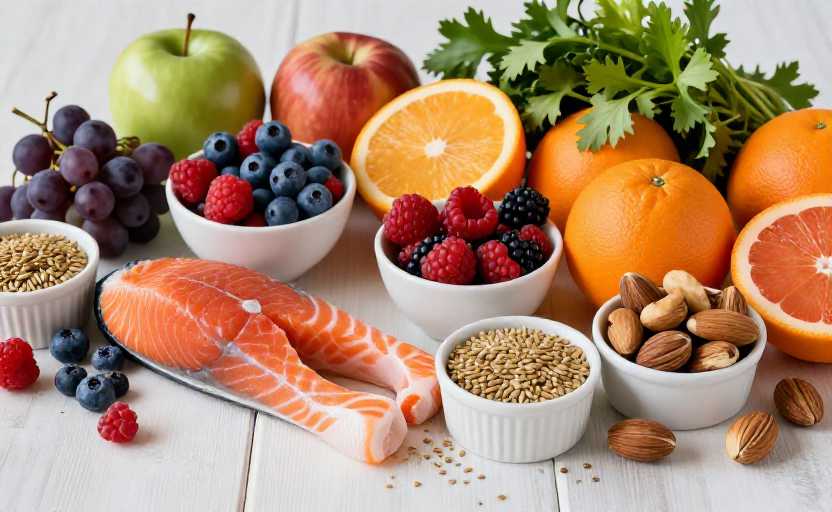
Speaking of which, we have to mention the controversy about "fading" that everyone is most concerned about. There are indeed differences in the views of different medical systems: There has never been a concept of "fading" in the Western medicine system. Eggs, chicken, fish, shrimp, and beef are all excellent sources of high-quality protein. The protein content of 100 grams of shrimp is higher than that of drinking 3 bowls of oil-skimmed bone soup. It is an essential food for repairing wounds and improving immunity after surgery.; The "hair foods" mentioned in traditional Chinese medicine essentially refer to "individualized foods that can induce old diseases in oneself and aggravate allergies or inflammation." To put it bluntly, it depends on your own physical constitution - if you usually get rashes when eating shrimp or are allergic to mangoes, you must avoid them after surgery. Two years ago, I met an aunt who was very careful. She only dared to eat vegetables and lean pork for half a year after the operation. She didn't even dare to touch eggs. When she came for a follow-up examination, her albumin was only 28g/L. The wound grew so slowly that she even staggered when walking. In the end, she had to transfuse human albumin to make up for it. It was really not a mistake.
After all, whether it is an open or laparoscopic surgery, the intestines will be stimulated during the operation. There will be some adhesions in the abdominal cavity in the first 3 months after the operation, and the intestinal peristalsis ability is much weaker than that of ordinary people. Foods that are too cold, too spicy, heavy in oil and sugar, and things that are difficult to digest such as glutinous rice dumplings and rice cakes, do not eat too much at one time. In the summer, don’t just try to cool down by eating iced watermelon or iced milk tea just taken out of the refrigerator. Last month, I just treated a 29-year-old girl. She was so greedy that she ate half an iced watermelon 20 days after the operation. She suffered from intestinal cramps and pain and scored 120. She thought it was abdominal bleeding. After a long investigation, it was found that the cold food had irritated the intestines. She suffered an extra sin for no reason. There are also many family members who feel that they need to take supplements after surgery. They give them stewed old hen soup and big bone soup every day. The thick layer of oil on the top is not even skimmed off. After drinking it, the patients will have diarrhea or congestion. Instead, it is better to eat a piece of steamed fish to replenish their health.
Oh, by the way, there is another taboo that many people don’t know about, which is food that conflicts with the medicine you are taking. For example, patients who are taking targeted drugs should really avoid grapefruit and grapefruit juice completely. It will inhibit the CYP3A4 enzyme in the liver that metabolizes drugs, slowing down the metabolism of drugs in the body several times. The originally safe dose may cause side effects several times. If you are taking anticoagulants such as warfarin due to the risk of blood clots after surgery, you do not need to completely abstain from foods with high vitamin K content such as spinach, broccoli, and animal liver, but do not eat half a kilogram in one meal, and do not eat too much today and not eat at all tomorrow. It will be fine if you maintain a stable intake, otherwise it will interfere with the stability of the drug effect.
The most common thing I say to patients is "Don't put restrictions on your diet." After surgery, the appetite is already poor. If you really want to eat hot and sour noodles or small cakes, it's perfectly fine to take one or two bites to satisfy your craving. As long as you don't have uncomfortable reactions such as bloating, diarrhea, or stomachache after eating, it's not a big problem. You don't have to be frightened to use your chopsticks after reading a taboo posted on the Internet. After all, everyone's surgery scope, recovery speed, and physical foundation are different. If you are really unsure about something, just ask your attending doctor casually during your next review, which is much more reliable than searching for a "general list" online for half a day.
Disclaimer:
1. This article is sourced from the Internet. All content represents the author's personal views only and does not reflect the stance of this website. The author shall be solely responsible for the content.
2. Part of the content on this website is compiled from the Internet. This website shall not be liable for any civil disputes, administrative penalties, or other losses arising from improper reprinting or citation.
3. If there is any infringing content or inappropriate material, please contact us to remove it immediately. Contact us at:
