Sports, fitness and health
Sports and fitness are the lowest-cost intervention methods to maintain health throughout the life cycle, but there is no universal "optimal solution". The core of health benefits is long-term persistence that matches the individual's physical foundation, life rhythm, and exercise preferences, rather than the standardized stacking of intensity and duration.
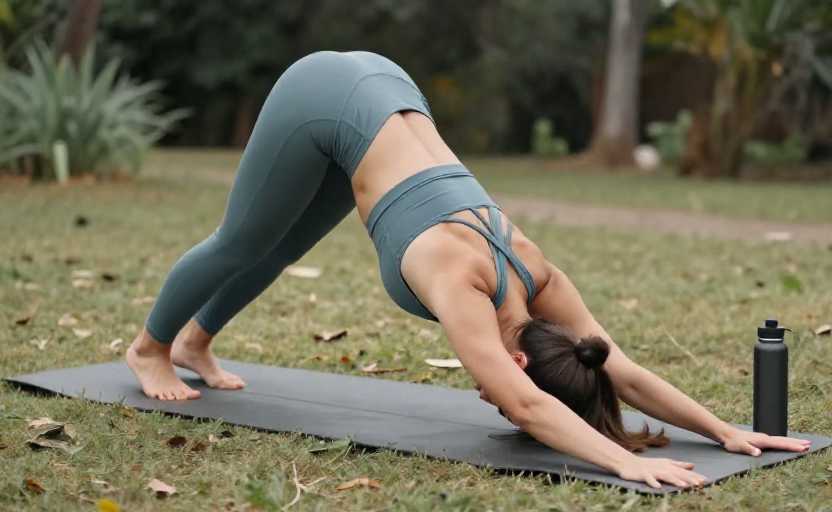
In the past two years, I followed the trends of online fitness bloggers. I did Pamela HIIT on Mondays, loaded my hips and legs with weights on Tuesdays, and ran five kilometers on an empty stomach on Wednesdays. I strictly adhered to the standards recommended by the WHO of "150 minutes of moderate-intensity aerobic training + 2 times of resistance training per week." As a result, I injured my knee in the third month. I suffered from iliotibial band syndrome, which made me struggle to walk up and down stairs.
Don't tell me, the current debate in the fitness circle about "how to move to be healthy" has been going on for almost ten years without reaching a unified conclusion. Most of the researchers who do evidence-based sports medicine are of the “quantitative side”. The 150-minute standard is not just a slap in the face. It is a conclusion drawn from tracking the health data of hundreds of thousands of samples for more than ten years: people who meet this standard have a 35% reduction in the risk of cardiovascular disease, a 40% reduction in the risk of type 2 diabetes, and a 20% reduction in the prevalence of Alzheimer’s disease. A while ago, I went for a review with my programmer buddy who has a weight of 996, body fat of 28, and mild fatty liver. He honestly followed this standard and walked briskly around the park for 40 minutes at noon every day. He also lifted two 10kg dumbbells for half an hour at home on weekends and did shoulder and back exercises.
However, when this set of standards is applied to ordinary people's lives, they often become incompatible with the environment. Practitioners who engage in sports rehabilitation and lifestyle fitness promotion mostly sneer at the requirement that “standards must be met.” The boss of the rehabilitation studio I often go to said that he just received three patients last month who were forced to exercise in order to get 150 minutes of exercise. There was a little girl who was so tired after get off work that she could not keep her eyes open in order to complete the daily KPI of 5 kilometers. In the end, the meniscus was worn out for the second time and she had to use crutches for three weeks. Their logic is very practical: standards are reference values for healthy people, not KPIs that ordinary people must complete. If you get injured or become resistant to exercise in order to meet the standards, the gains outweigh the losses. A study published by The Lancet last year also supports this view: even a total of 10 minutes of fragmented light activities every day - such as walking an extra stop on the subway after work, standing at home for half an hour scrolling through mobile phones, or playing chasing games with children for 15 minutes - can reduce all-cause mortality by about 8%. For people who usually do not move at all, the health benefits of this activity are higher than running 5 kilometers.
Many people still have a misunderstanding, thinking that "if your muscles don't feel sore after training, your training is in vain." I used to believe this, and it would take two or three days after each training session to feel the effects. Later, I learned that delayed-onset soreness is essentially just an inflammatory reaction caused by tiny tears in muscle fibers. It is not directly related to the effects of muscle gain and fat loss - for the past six months, I have been gradually adding weight to my glutes and legs. After each exercise, I would be sore for most of the day, but my circumference still increased by two centimeters and I also lost three points of body fat. There is no need to go to death in pursuit of soreness.
There is also a heated debate on the Internet about "Is fasting aerobics a magic trick for losing fat?", and both sides have their own reasons. Most professional bodybuilders will arrange fasting aerobics during the preparation period. After all, glycogen reserves are low in the fasting state, and the energy supply ratio of fat can be 10% to 15% higher than that after meals. The fat removal efficiency is really fast. ; But for ordinary fitness enthusiasts, the energy supply of fasting aerobic exercise is insufficient, and eating two more biscuits will make up for it. On the contrary, it is easy to lose muscle. If there is a problem of hypoglycemia, you may faint on the road. There is no need to join in the fun.
To be honest, I now feel that discussing "what exercise is the healthiest" is far less practical than discussing "what exercise you can stick to for a lifetime." My mother is 58 years old. She used to be too noisy when she was asked to dance in the square. She was too tired when asked to walk quickly. Last year, she became obsessed with playing table tennis. She played with the old men and women in the community for two hours every afternoon for a year. Most of her frozen shoulder was cured, her blood pressure was stable, and she even had fewer colds. The effect was much better than practicing blindly by following health-preserving videos. There is also a colleague of mine who doesn’t like to go out naturally, so he practices Baduanjin at home for 15 minutes a day for 15 minutes. After practicing for more than half a year, the back pain caused by sitting for a long time is almost gone.
In fact, the relationship between exercise and health has never been limited by a set of standards. It's not like doing a math problem with a single correct answer. It's more like finding shoes that fit your feet. If others are comfortable, you may get blisters all over your feet. Don't be anxious about the various standards and "magic skills" on the Internet. If you move, don't get hurt, and can persevere, you'll already beat 90% of the people.
Disclaimer:
1. This article is sourced from the Internet. All content represents the author's personal views only and does not reflect the stance of this website. The author shall be solely responsible for the content.
2. Part of the content on this website is compiled from the Internet. This website shall not be liable for any civil disputes, administrative penalties, or other losses arising from improper reprinting or citation.
3. If there is any infringing content or inappropriate material, please contact us to remove it immediately. Contact us at: