
Lupus nephritis dietary taboos
There are no foods that are absolutely forbidden to eat. The key is to grasp the "three restrictions, one avoidance and one flexibility" - salt restriction in the edema/hypertension stage, renal dysfunction/excessive high protein in the urine, hyperkalemia and high phosphorus, high phosphorus and high potassium foods. When photosensitivity is obvious, avoid a large number of photosensitive foods. All taboos must be flexibly adjusted according to the stage of the disease. There is no need to follow the one-size-fits-all "food list" on the Internet.
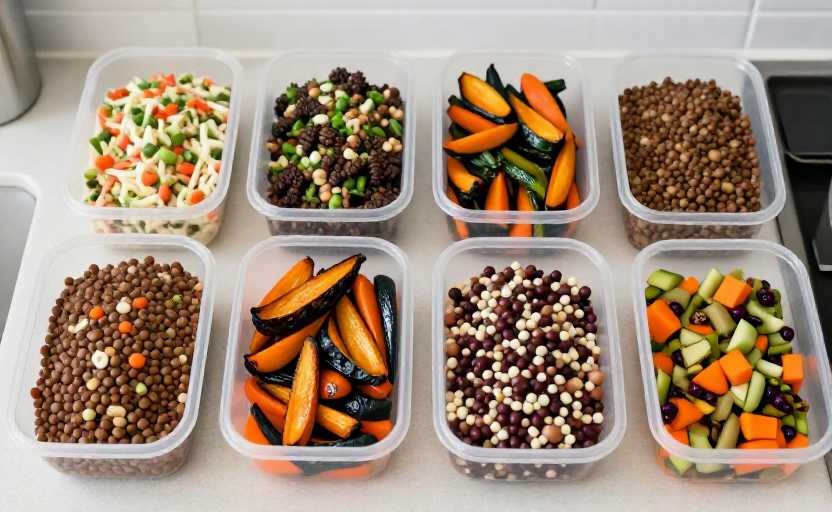
I met a 28-year-old girl who was just diagnosed a while ago. After searching the taboo list on the Internet, she didn't even dare to touch soy sauce and ate boiled vegetables every day. When the reexamination was carried out, her plasma albumin dropped to 28g/L, and her edema was worse than when she was first hospitalized. When I asked her, she learned that she even avoided eggs and milk. She said she was afraid of increasing the burden on her kidneys. It was really a bit dumbfounding.
When it comes to salt restriction, it’s not that extreme. If you don’t have edema and your blood pressure is stable, it’s absolutely fine to eat 5g of salt a day (about the amount of a beer bottle cap). If you’re in the edema stage and your blood pressure is high, just keep the amount to less than 3g. In normal cooking, use less oyster sauce, light soy sauce, and chicken essence, which are big sources of hidden salt. If you are craving for a bite of pickled radish or soy sauce beef, just use less salt in other dishes that day. There is no need to eat with the whole family during the holidays, and it would be inconvenient for you to serve a bowl of boiled water by yourself. Of course, if you insist on eating pickled vegetables and soy duck and soy fish all the time, that’s definitely not possible. You have to control this yourself.
Many people ask if you have to strictly low protein if you have nephritis? This is actually a controversial point at present and cannot be generalized. If your 24-hour urine protein ration is within 1g and your kidney function is completely normal, there is no problem at all if you eat 1g of high-quality protein per kilogram of body weight every day. For example, for a 50kg person, 1 egg + 1 box of 250ml pure milk + 2 taels of lean pork/fish a day will not increase the burden on the kidneys at all, but can instead provide sufficient nutrition. Only when the 24-hour urinary protein exceeds 3.5g, or the kidney function has been impaired at CKD stage 3 or above, the protein intake needs to be reduced to 0.6-0.8g per kilogram of body weight, and high-quality protein must account for more than half. You must not completely skip protein, otherwise the protein will leak too much and not be replenished enough, the edema will not disappear, the immunity will be completely reduced, and it will easily induce lupus activity.
As for the commonly mentioned high-potassium and high-phosphorus foods, such as bananas, oranges, nuts, and animal offal, it all depends on the indicators. If your kidney function is normal, and your blood potassium and phosphorus are within the normal range, you can eat whatever you want. I have seen patients who heard others say that they should not eat bananas with nephritis, but they haven’t eaten them for half a year. In the end, they were found to be deficient in potassium to the point where they felt so weak that they couldn’t stand up. It’s really unnecessary. Only when kidney function has declined and blood potassium and phosphorus have exceeded the standard, appropriate control is needed. For example, don't eat a handful of nuts at one time, and don't show off by eating two or three bananas a day.
There is another point that is easily confused with nephritis taboos: photosensitive foods, such as celery, coriander, milkvetch, and figs. There are indeed differences in the current recommendations from rheumatologists and nephrologists: some rheumatologists will recommend avoiding them completely and avoiding exposure to the sun after eating to induce rashes and lupus activity. ; But our Department of Nephrology prefers to look at individual reactions. If you don’t have obvious photosensitivity and rarely expose yourself to the sun at noon, it’s perfectly fine to eat some coriander dumplings or fried pork with celery. You can’t even pick out the coriander in the dumpling fillings for the sake of dispensable taboos, right? Of course, if you get a rash when exposed to the sun and go out frequently in the summer, you’d better eat as little as possible.
By the way, there is another big pitfall that many people step on, which is to take random supplements with "immunity-improving" things, such as ginseng, royal jelly, Ganoderma spore powder, and cordyceps. Many family members feel that the patient is sick and weak, so they insist on buying supplements. In the end, the supplements cause autoimmune disorders and the lupus relapses. It is really not worth the gain. If you really feel that you are not getting enough nutrition, ask your doctor first and don’t buy health care products blindly.
Among the patients I come into contact with, those who have long-term stable conditions and high quality of life have never been ascetics who dare not eat this or touch that. Instead, they will find small pleasures for themselves according to the rules: today I am greedy and eat half a piece of soy duck. Tomorrow, I will add half a spoonful less salt to the cooking.; This week I had a seafood dinner at a friend's gathering, and I will eat more light vegetables and grains in the next two days. As long as the general direction does not deviate and the indicators are stable, it is really not a big problem to eat something you want to eat occasionally. After all, the purpose of treating diseases is to live a good life, not to trap yourself in a taboo list.
Disclaimer:
1. This article is sourced from the Internet. All content represents the author's personal views only and does not reflect the stance of this website. The author shall be solely responsible for the content.
2. Part of the content on this website is compiled from the Internet. This website shall not be liable for any civil disputes, administrative penalties, or other losses arising from improper reprinting or citation.
3. If there is any infringing content or inappropriate material, please contact us to remove it immediately. Contact us at:
