
Men’s hormone health guidance includes
The core of health guidance for male hormones (clinically refers to testosterone and related sex hormone metabolites) covers four major sections: "basic assessment dimensions, lifestyle intervention, medical intervention indications, and correction of common cognitive misunderstandings." There is nothing mysterious in the content. The core is centered around the two principles of "not blindly supplementing and not ignoring abnormalities."
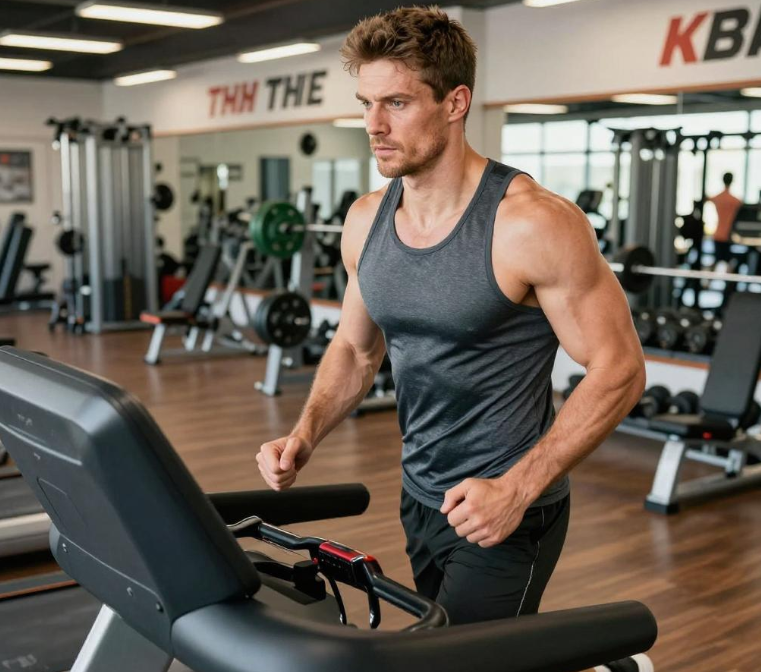
I met a 32-year-old Internet product manager a while ago. He stayed up until 2 o'clock every day for half a year to change his needs. Recently, he always felt heavy all over. He couldn't keep his eyes open after working overtime until the afternoon. He couldn't even get excited about his weekly married life. He watched short videos on his own and thought it was low testosterone. Without further ado, he bought an imported testicle-boosting supplement worth more than RMB 300. After taking it for two months, he had acne all over his face and lost more hair than before. When he checked his serum testosterone, it was even lower than before.
Many people's judgment of "low testosterone" depends entirely on their own perception. In fact, the evaluation standards of different disciplines are quite different. The traditional endocrinology department’s judgment standard is very simple. Fasting venous blood is drawn to check total testosterone. If it is less than 8nmol/L, it is considered abnormal. When it comes to men’s and sexual function departments, it must also be combined with symptom scores, such as the frequency of morning erections, sexual desire level, and changes in muscle strength. Even if the total testosterone is at the normal threshold (between 8-12nmol/L), as long as the symptoms are obvious, lifestyle adjustments will be recommended first. With the rise of functional medicine in recent years, indicators such as free testosterone, sex hormone binding globulin, and estradiol will also be checked. It is believed that if total testosterone is normal but free testosterone is insufficient, symptoms of low testosterone will also occur. This is still controversial. Conservatives believe that free testosterone testing is not stable enough and cannot be used as a basis for intervention. The two sides are still arguing, and clinical practice is generally based on patient needs.
To be honest, more than 80% of the subclinical testosterone abnormalities I have come across can be brought back without taking medicine and can be restored by adjusting lifestyle. Don't believe in the claims that eating oysters or deer penis can supplement testosterone. Many people think it's too common to mention the few points that are really useful. For example, when it comes to fitness, many people think that the more you move, the better. I have seen several fitness coaches who are preparing for competitions. In order to burn off body fat, they run 10 kilometers a day and add an hour of strength. The body fat reaches 7%. After a test, the testosterone dropped to the lower limit of the normal range. It is not as high as that of people who only practice heavy resistance three times a week. This is not to say that aerobic is not good, but that long-term steady-state aerobics will indeed inhibit testosterone synthesis. If you want to promote testicles, you can do more resistance training of large muscle groups such as legs and back, which is much more efficient.
The most important thing about diet is actually controlling body fat. For people with more than 25% body fat, the content of aromatase in the body will soar, converting testosterone into estradiol. To put it bluntly, obese people are more likely to have high estrogen and low testosterone. I had a 28-year-old patient before who was 175 and 190 pounds tall. His testosterone was only 6nmol/L. He didn’t take any medicine. After he lost 30 pounds, he checked again and it rose directly to 14nmol/L, which is more effective than any supplement. Of course, lower body fat is not always better. If a man's body fat is lower than 10% for a long time, it will also affect the synthesis of sex hormones. There was a fitness enthusiast who once raised his body fat to 8%. Not only was he afraid of the cold in winter, he even lost his morning erection. He adjusted his diet to bring his body fat back to about 12%, and he quickly recovered.
As for sleep, it’s even more interesting. The academic circles are still arguing about whether catching up on sleep after staying up late can replenish testosterone. One group believes that as long as you can sleep 7-8 hours a day and the proportion of deep sleep reaches the standard, even if you stay up during the day and go out at night, it will not affect it. Night rhythm is strongly related to testosterone synthesis. As long as you don't sleep after 1 a.m., you won't be able to make up for it no matter how long you sleep. The jury is still out. To be on the safe side, try not to stay up after 1 a.m. After all, whether it affects testosterone or not, staying up late is definitely harmful to the liver.
Of course, not everyone can get better by adjusting their lifestyle. If it is indeed a pathological decrease in testosterone, such as secondary testosterone deficiency caused by primary testicular hypofunction or hypothalamic pituitary disease, intervention is still necessary. Here I would like to mention the controversy that everyone is most concerned about: Will exogenous testosterone supplementation affect fertility? The traditional view is that exogenous testosterone will inhibit the hypothalamic-pituitary-gonadal axis, reduce sperm production, and must not be used during pregnancy preparation. However, in recent years, cutting-edge research has shown that for some patients with low testosterone and oligospermia, low-dose testosterone supplementation combined with gonadotropins can actually improve sperm quality. However, this has not yet been written into clinical guidelines. Ordinary people should never try it on their own and must follow the doctor's advice. There are also those testicle-stimulating supplements such as Tribulus Terrestris and Maca sold online. At present, most of them are not supported by sufficient evidence-based medical evidence. They are at best a psychological placebo. If there is a real problem, it is useless to take these and waste money.
Finally, I would like to mention two things that many people easily get into. The first is not to think that the higher the testosterone, the better. Many people think that high testosterone = sufficient masculinity. They buy anabolic steroids for private use. The testosterone exceeds the normal range by several times. In the end, they end up with hair loss, acne, abnormal liver function, and even permanent hypogonadism. The gain outweighs the loss. The second thing is not to think that it is normal for testosterone to decrease as you get older. Many men over 50 years old have menopausal symptoms such as hot flashes, irritability, low energy, and decreased sexual desire. As long as contraindications such as prostate cancer and polycythemia are eliminated, proper testosterone supplementation can significantly improve the quality of life, and there is no need to force it.
I have been in this industry for so many years, and my biggest feeling is that there is really no prescription for male hormone health. It is nothing more than a regular schedule, weight control, and moderate exercise. Don't believe in those messy marketing words. If you really feel uncomfortable, go to a regular hospital for a blood test. It is better than anything else.
Disclaimer:
1. This article is sourced from the Internet. All content represents the author's personal views only and does not reflect the stance of this website. The author shall be solely responsible for the content.
2. Part of the content on this website is compiled from the Internet. This website shall not be liable for any civil disputes, administrative penalties, or other losses arising from improper reprinting or citation.
3. If there is any infringing content or inappropriate material, please contact us to remove it immediately. Contact us at:

