
heart disease prevention medicine
There is currently no "panacea" that can cover all people and prevent heart disease once and for all. The preventive drugs currently commonly used in clinical practice are all targeted at specific risk groups. A healthy lifestyle of regular work and rest, a balanced diet, and moderate exercise is the most cost-effective "universal heart disease preventive drug" that is suitable for most people.
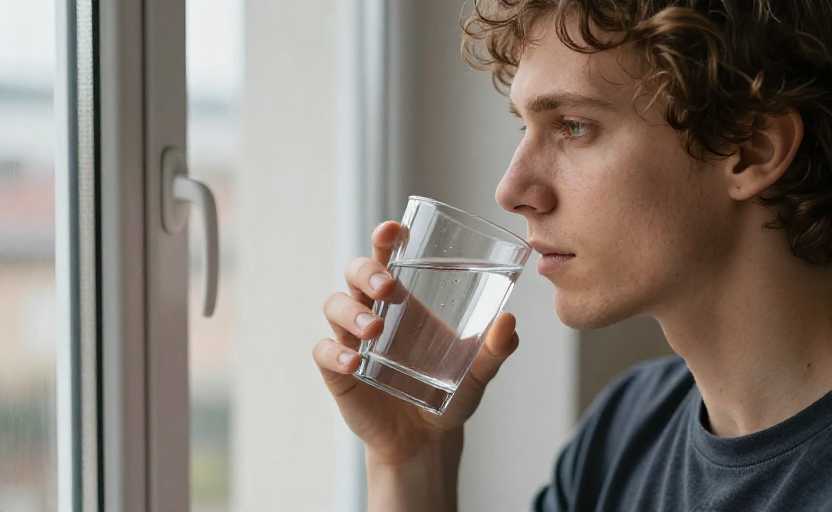
I just met a 32-year-old Internet programmer in the clinic last week. He came in with some popular science posts and asked him if his father had a heart attack two years ago. He stayed up late every day and his blood lipids were high. Can he take an aspirin every day to prevent heart disease? This is also the first understanding that most people have about heart disease preventive drugs: there seems to be a "universal magic drug" that can avoid risks by taking it. But it is aspirin that has been the subject of clinical controversy in the past ten years. Before the American College of Cardiology updated its guidelines in 2019, many places did recommend that people over 50 years old take it regularly in small doses. However, the new version of the guidelines directly deleted the routine recommendation for low-risk groups. The reason is that if people who are not sick eat it indiscriminately, the risk of gastrointestinal bleeding is much higher than the benefits of preventing heart disease. Nowadays, there are two tendencies in clinical practice. Conservative doctors will recommend taking it as long as they see that you have more than two high-risk factors (such as family history, high blood pressure, diabetes, and smoking). Doctors who prefer precision medicine will generally ask you to do a carotid artery ultrasound and coronary CT to confirm the presence of atherosclerotic plaques before prescribing. Each has its own clinical basis, and there is no absolute right or wrong. In the final analysis, it still depends on the individual's risk level.
In addition to aspirin, statins are another unavoidable topic, and there are even more "rumors of liver damage" about them than aspirin. There is an old director in my department who is about to retire. He found out that he had 3mm soft plaques in his carotid arteries and his blood lipids reached the critical value. He had to endure it for half a year: he played badminton three times a week and gave up the soy sauce elbow that he had been eating for 30 years. After half a year, the blood lipids still did not drop when he was checked again. When I reached the safety level, I started taking statins honestly. I have been taking them for almost six years now, and my liver function tests are normal every quarter. What he usually talks to us young doctors the most is "medicines are tools, not shackles. Don't take them when you should use them, and don't mess with them when you shouldn't use them." This is true. Statins essentially help you clean up the "scale" in your blood vessels. If you drink milk tea and eat hot pot every day, new grease will continue to appear in your blood vessels, and it will become clogged quickly no matter how much you take medicine. Of course, it is true that about 1% of people will experience muscle soreness and abnormal liver function after taking it. In this case, just change to another type or adjust the dosage. There is no need to kill the whole medicine at once.
There are also preventive drugs that are targeted at people with specific diseases. For example, anticoagulants such as rivaroxaban and dabigatran are taken by patients with atrial fibrillation. Their essence is to prevent the blood clots in the atria from breaking off and blocking the coronary arteries to cause myocardial infarction. I have seen many elderly people secretly stop taking the medicine because they are afraid that they will cause bleeding. In the end, they end up with cerebral infarction and myocardial infarction. There is no unified standard answer in this clinical field. Some doctors think that CHA₂DS₂-VASc must be taken when the score reaches 2 points. Some doctors will make adjustments based on the actual situation of the elderly: for example, elderly people who are prone to falling when walking or have gastric ulcers may appropriately reduce the dose or choose a dosage form with lower blood risk. All are based on individual circumstances.
A while ago, a 62-year-old aunt came for a check-up, carrying half a bag of Coenzyme Q10 and deep-sea fish oil. She said that she spent more than 30,000 yuan to buy these "heart-protecting medicines", thinking that she would not need to take statins. However, the last physical examination found that the coronary arteries were 70% blocked. She had just had the stent inserted. To be honest, these dietary supplements are not completely useless. For example, for people who have muscle soreness after taking statins, taking some coenzyme Q10 can indeed relieve the discomfort. Deep-sea fish oil can also help lower triglycerides. But if you want to use them as the main force in preventing heart disease, it is really a waste of watermelon. Currently, no health products can replace regular preventive drugs. This is a sure thing.
I have been in clinical practice for almost ten years, and I have seen too many extreme cases: either someone is clearly at high risk for myocardial infarction, but refuses to take medicine, saying "the medicine is poisonous", and finally has a myocardial infarction and is sent to the emergency room.; Either there is nothing wrong with it, and you just eat whatever others say is good, and in the end you end up damaging your stomach and liver. To put it bluntly, there is really no magic medicine for the prevention of heart disease. Two days ago, I came across the follow-up records of a patient. The 58-year-old uncle had high blood pressure and a family history. He took an aspirin and a statin every day. He walked for ten years and quit smoking. Now he has a coronary CT scan and his blood vessels are cleaner than many 40-year-old middle-aged people. What do you think his preventive medicine is? It’s the pills that cost more than two yuan, and it’s also the habit of not staying up late, smoking less, and going out for a walk three or four hours a week.
Disclaimer:
1. This article is sourced from the Internet. All content represents the author's personal views only and does not reflect the stance of this website. The author shall be solely responsible for the content.
2. Part of the content on this website is compiled from the Internet. This website shall not be liable for any civil disputes, administrative penalties, or other losses arising from improper reprinting or citation.
3. If there is any infringing content or inappropriate material, please contact us to remove it immediately. Contact us at:
