Quickly learn sit-up techniques to easily improve training results
Sit-ups are a common and effective fitness exercise, but many people do it poorly. Mastering the correct technique can improve your sit-up performance in a short period of time. Here are some key techniques for you.
action specifications
posture standards: Lie on the yoga mat, bend your legs at the knees, place your feet firmly on the ground, cross your hands on your chest or place them next to your ears, but do not pull your head hard. Keep your back against the mat and make sure your body is in a straight line.
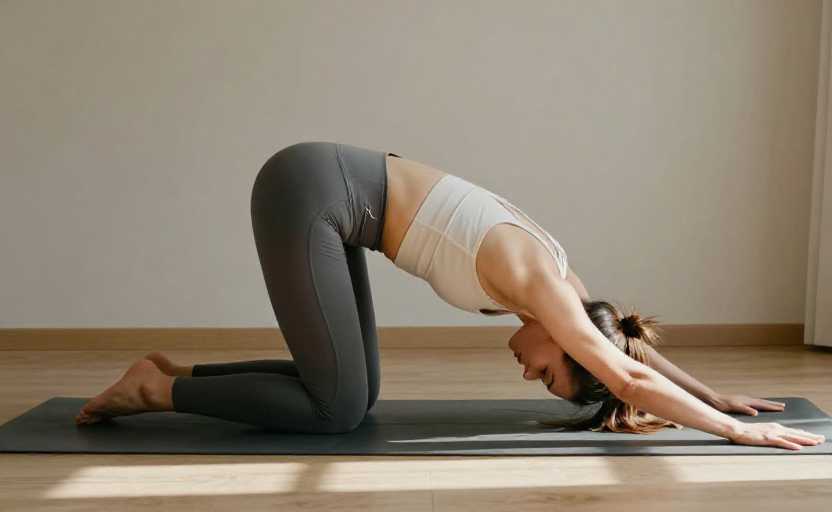
avoid compensation: When many people do sit-ups, they use their arms to pull their heads and rely on neck strength to complete the movement. This is wrong. The abdominal muscles should be used to lift the upper body.
Core tightening
Maintain the whole process: From the ready position, tighten your abdominal, buttocks, and thigh muscles to keep your core muscles in a stable state. Keep your core tight throughout the entire rise.
Enhance stability: Tightening the core can improve the stability of the body, reduce pressure on the waist, make movements more standard, and better stimulate the abdominal muscles.
breathing rhythm
Sit up and exhale: When you sit up, exhale slowly to expel the air from your lungs while contracting your abdominal muscles. This can better mobilize abdominal strength and complete the sit-up movement.
Lie down and breathe in: When lying down, inhale naturally and let your abdomen fully relax. Pay attention to breathing evenly and steadily, and don't hold your breath.
Sequence of force exertion
Abdomen moves first: When sitting up, first use the abdominal muscles to slowly lift the upper body. Feel the contraction in your abdominal muscles rather than using your arms or neck.
Collaboration: While the abdomen is exerting force, the muscles of the waist, buttocks and thighs will also work together, but the abdomen should be the dominant one.
training frequency
Reasonable arrangements: Beginners can perform sit-up training 3-4 times a week, with 1-2 days between each training session to give the body enough recovery time. As the body's adaptability increases, the training frequency can be increased appropriately.
avoid excess: Overtraining may lead to muscle fatigue and damage, affecting training effectiveness. You should adjust the training frequency appropriately according to your physical condition and recovery ability.
group training
Set the number of groups and pieces: Divide sit-ups into several groups for training, and complete a certain number of reps in each group. For example, beginners can do 10-15 reps per set and 3-4 sets. As your ability improves, gradually increase the number of individuals in each group and the number of groups.
Rest between sets: Rest appropriately between each set, usually 30-60 seconds. The rest period should not be too long or too short. If it is too long, it will affect the continuity of training. If it is too short, the body will not be able to fully recover.
Diet coordination
protein supplement: Protein is an important nutrient for muscle growth and repair. You can eat more protein-rich foods, such as chicken breast, fish, beans, eggs, etc.
control heat: If you want to achieve weight loss through sit-ups, you also need to control the caloric intake in your diet. Avoid eating too many high-calorie, high-fat foods and eat more fruits and vegetables.
training plan
set goals: Set clear training goals based on your physical condition and training purposes. For example, increase the number of sit-ups to a certain number within a month.
step by step: The training plan should be gradual and don't rush for results. You can increase the intensity and difficulty of training appropriately every week to allow your body to gradually adapt.
Effect evaluation
Regular measurements: Regularly measure your abdominal circumference, body fat percentage and other indicators to observe changes in your body. You can also evaluate the training effect by comparing the number and quality of your sit-ups.
Adjust plan: Based on the evaluation results, the training plan will be adjusted in a timely manner. If the effect is not satisfactory, analyze the reasons and make appropriate adjustments to training methods and intensity.
error correction
self-examination: During the training process, you should always pay attention to whether your movements are standardized. You can observe your posture through a mirror, or record a video for playback analysis.
Ask for help: If you can't judge whether the movement is correct by yourself, you can seek help from a professional coach. The coach can detect problems in time and give correct guidance.
Sit-ups are exercise Classic abdominal muscle movements and correct techniques can not only improve the training effect, but also reduce sports injuries. By standardizing movements and mastering breathing rhythms, you can see training results faster.
Disclaimer:
1. This article is sourced from the Internet. All content represents the author's personal views only and does not reflect the stance of this website. The author shall be solely responsible for the content.
2. Part of the content on this website is compiled from the Internet. This website shall not be liable for any civil disputes, administrative penalties, or other losses arising from improper reprinting or citation.
3. If there is any infringing content or inappropriate material, please contact us to remove it immediately. Contact us at: