Healthy recipe design
Match your age, disease history, metabolic level and other basic physiological conditions, adapt to your inherent dietary preferences and life rhythm, and be able to adhere to it for a long time without pain - any recipe that deviates from these three points, even if the nutrients are calculated accurately to the milligram, is a piece of waste paper.
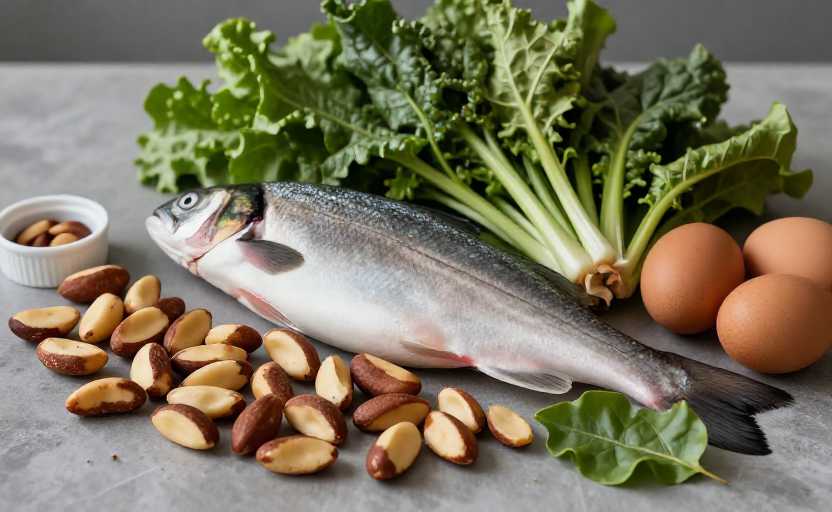
To be honest, I have been doing nutrition consulting for almost 5 years, and I have seen too many people copy the standard answers when they come up: the Mediterranean recipe means eating lettuce mixed with olive oil every day, memorizing the recommended amounts in the Chinese Dietary Guidelines, and cooking with a food scale. In the end, they collapsed after not persisting for three days, and they blamed themselves for their poor willpower. Two months ago, I took on a 32-year-old female accountant. She usually likes to eat spicy duck neck and eat Sichuan food. Before, I followed a blogger to make a fat-reducing meal, boiling broccoli and adding unsalted chicken breasts every day. She got up in the middle of the night on the fourth day and showed off three boxes of Zhou Black Duck and a cup of full-sugar milk tea. Not only did she gain two pounds in weight, she almost became anxious about eating. When I changed the recipe for her, I set every Wednesday and Saturday as "spicy days" and allowed her to order mildly spicy Sichuan cuisine once. She only needs to choose stir-fried green leafy vegetables, peeled chicken, duck and fish, and reduce the rice to half a bowl. She is also allowed to add half a spoonful of Pixian watercress when cooking at home to enhance the flavor. She came for a follow-up visit last month and said that she had persisted for three and a half months and had lost 11 pounds. She also brought me her own roasted chicken breast with bean paste, which she said was a hundred times better than boiled.
In fact, it’s not just ordinary users who fall into the trap of “copying from templates”. There is also a lot of quarrel about the standards of healthy recipes in the nutrition circle. The low-carb party says that refined carbohydrates are the root of all evil, the low-fat party says that saturated fat is the culprit of obesity, and vegetarians list a bunch of health risks of animal products. Everyone thinks that their own solution is the best solution. But there is really no need to take sides. I met a girl with polycystic ovary syndrome. After adjusting to a low-carb diet for two months, her insulin resistance indicators dropped by more than half. ; I have also seen half-marathon enthusiasts follow the low-carb approach and faint from hypoglycemia at 15 kilometers on the track. The same goes for vegetarianism. If you insist on being vegetarian due to religious beliefs or animal protection reasons, just pay attention to supplementing with B12, iron and Omega-3. The combination can fully meet your daily nutritional needs. There is no need to listen to outsiders who say that vegetarianism is unhealthy. ; But if you are a glutton for meat and force yourself to chew vegetable leaves for the so-called "health preservation", then you are simply looking for trouble for yourself.
Oh, by the way, some people asked me if the Internet celebrity's "never repeat the same recipe for the week" is reliable. I can only say that if you love cooking and have time to stock up on vegetables on weekends, then it is no problem. If you usually get off work after 8 o'clock and force yourself to cook three or four different dishes every day, then it is purely against yourself. Ordinary healthy people really don’t need to hold a food scale to count calories or check GI values. Just remember a rough framework: eat two fists of vegetables every day, one punch of staple food (at least 1/3 of which is whole grains), a palm-sized amount of protein (meat, eggs, and soy products are all counted), plus a handful of nuts or a cup of milk. The nutrition is basically enough.
If you have underlying diseases, don’t search for recipes blindly. For example, diabetics must strictly control their glycemic index, and gout patients must avoid high-purine foods. In this case, finding a registered dietitian to adjust based on your indicators will be more useful than reading ten health posts. I met an old man who had gout before. He read on the Internet that it was healthy to eat more beans and drink soy milk every day. As a result, he had a gout attack that made him unable to get out of bed. In fact, the purine content of soybeans is not low in the first place, and he should eat less during the attack. Such individual differences cannot be taken into account in general recipes.
To be honest, every time I order a recipe for a client, I always add one sentence at the end: Don’t take this as an edict. Today my colleague had an extra piece of cake for his birthday, and my friends had a hot pot dinner at the weekend. It doesn’t matter at all. As long as the overall diet structure for the week is balanced, it will be fine. Healthy recipes are never about giving up all the things you like to eat, and making eating a task that requires gritting your teeth and persisting in it. Only the recipes that can make you eat comfortably for a lifetime are really useful and good recipes.
Disclaimer:
1. This article is sourced from the Internet. All content represents the author's personal views only and does not reflect the stance of this website. The author shall be solely responsible for the content.
2. Part of the content on this website is compiled from the Internet. This website shall not be liable for any civil disputes, administrative penalties, or other losses arising from improper reprinting or citation.
3. If there is any infringing content or inappropriate material, please contact us to remove it immediately. Contact us at: