
Dietary taboos for people with high blood pressure
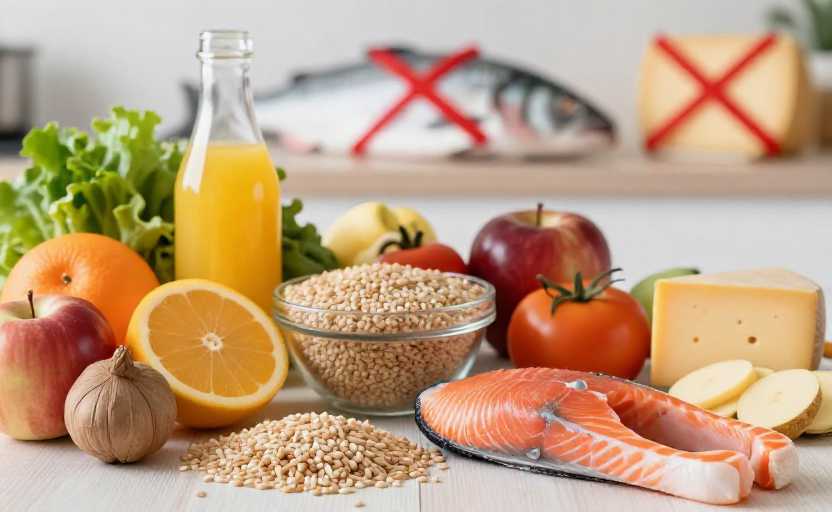
The core dietary taboos for people with three high blood pressure (high blood pressure, high blood sugar, and high blood lipids) are not at all the "completely abstain from meat, sugar, and oil" as spread on the Internet. The three types of foods that really need to be avoided first are high sodium, highly refined added sugar, and high saturated/trans fat. At the same time, we must be wary of the three common misunderstandings of "extreme dieting, vegan diets, and blind faith in dietary remedies." There is no need to pursue a complete "zero intake." The core is to control the total amount and adjust as needed.
I have been providing nutrition guidance for community chronic diseases for almost 5 years, and I have seen at least 70% of people falling into the trap of invisible sodium. Last month, I accompanied Uncle Zhang from the community for a follow-up visit. He said that after eating boiled vegetables for a week, his blood pressure soared to 160. After looking through his kitchen, he discovered that he poured two spoons of light soy sauce every time he cooked to make the dishes taste fresh. Many people's salt control is like looking at the thief on the surface, but they don't realize that there are a lot of hidden secrets in the house: noodles, bread, soaked dry goods, and even the lozenges soaked in Liangbaikai may all contain invisible sodium. At present, mainstream academic circles recommend that the daily sodium intake of people with high blood pressure should be controlled within 1500mg, which is about the amount of salt in a beer cap. However, some researchers in the field of low-carb diet have suggested that if you are a patient with hypokalemia, you don’t have to be so stuck. You can relax it appropriately based on the blood potassium level to avoid electrolyte imbalance. You can ask your attending physician for evaluation.
What is more easily overlooked than invisible sodium is the added sugar hidden in various “health foods”. A while ago, an aunt came for consultation and said that she strictly did not eat rice or sugar. She drank two cups of sugar-free yogurt every day, but her blood sugar rose by two points. When she looked at the yogurt she bought, she found that the second ingredient in the ingredient list was crystallized fructose. There are also oatmeal and low-calorie salad dressings that everyone thinks are healthy. Many of them are added with fructose syrup to enhance the flavor, and there are a lot of people who cheat on them. There is also a lot of controversy about sugar. Traditional endocrinologists recommend that patients with hyperglycemia completely avoid fruits with a GI (glycemic index) over 70, such as lychees, longans, and mangoes. However, clinical nutrition studies in recent years have shown that as long as the total daily added sugar does not exceed 25g, the natural fructose in intact fresh fruits (not juiced, not dried fruits) will not cause large fluctuations in blood sugar, and there is no need to be completely blacklisted.
Many people immediately stop red meat and eggs as soon as they are diagnosed with three highs. In fact, what they really need to guard against are "bad fats". Foods containing a large amount of saturated fat and trans fatty acids, such as fried fried dough sticks in oil, non-dairy creamer in milk tea, and solid fat in fat, are the key targets of control. The WHO recommends that the daily intake of trans fatty acids should not exceed 2g, which is about half a cup of pearl milk tea. The controversy over cholesterol has been raging for almost ten years. The old Dietary Guidelines once recommended that daily cholesterol intake should not exceed 300g. The 2022 Dietary Guidelines for Chinese Residents has removed this restriction. As long as there is no familial hypercholesterolemia, it is perfectly fine to eat one whole egg every day. You don’t have to only eat egg whites.
Of course, don’t go to the other extreme. I have seen many young patients in their 30s who were diagnosed with high blood lipids and were afraid of taking medicine. They just ate corn and sweet potatoes without even touching the starch seeds. After three months, their blood lipids did not drop. Instead, they felt dizzy every day because of low albumin. Ketogenic and fasting therapies, which are now very popular on the Internet, have indeed been shown in some cases to be able to reduce blood lipids and blood sugar in the short term. However, mainstream academic circles have always discouraged people with high blood pressure from blindly trying them, especially those with abnormal renal function. A high-protein and high-fat diet will increase the burden on the kidneys. If you really want to try it, it is best to find a registered dietitian to make an individualized plan.
After all, diet control has never been a shackles on life. Originally, three highs are chronic diseases that will follow you for a lifetime. You can't just eat boiled water for decades, right? I have seen many well-controlled elderly people who dare to eat two pieces of braised pork during holidays. As long as they walk half an hour longer on the day and make other dishes lighter, the index will not fluctuate. There are no "taboo foods" that you must not touch. It's just a difference between more and less. Don't be frightened by the folk remedies on the Internet, and don't eat them carelessly. The best is the rhythm that suits you.
Disclaimer:
1. This article is sourced from the Internet. All content represents the author's personal views only and does not reflect the stance of this website. The author shall be solely responsible for the content.
2. Part of the content on this website is compiled from the Internet. This website shall not be liable for any civil disputes, administrative penalties, or other losses arising from improper reprinting or citation.
3. If there is any infringing content or inappropriate material, please contact us to remove it immediately. Contact us at:
