
Diet taboos after ovarian cancer surgery
Illegal health products with added estrogen/exogenous estrogen preparations used without medical advice, moldy/pickled/smoked foods with high carcinogenic risks, cold, hard, sticky and indigestible foods within 1 month after surgery. Most of the other "can't eat chicken", "can't eat seafood" and "avoid all foods" that have been widely circulated on the Internet have no evidence-based medical basis. There is absolutely no need to eat glutinous rice every day after surgery because of these inexplicable rules.
I just met a 62-year-old aunt in the clinic last week. She has been undergoing regular re-examinations for 3 years after her ovarian cancer surgery. In the past six months, she heard from her old sister that royal jelly replenishes Qi and blood, and she drinks a spoonful every morning and evening. This time, the estrogen level during the re-examination soared to the level of a woman of childbearing age, scaring her into a cold sweat. Regarding the intake of estrogen, there are currently two schools of clinical opinion. The mainstream view is that the occurrence of ovarian epithelial cancer is highly related to long-term high estrogen exposure. Therefore, not only royal jelly, but also snow clams, purple river cartons, and some illegal beauty and health products under the banner of "ovarian maintenance" are mostly secretly added with estrogen, which will increase the risk of recurrence. However, a small number of gynecological oncologists believe that if severe menopausal symptoms occur after ovarian removal, such as being unable to sleep all night and having night sweats that can soak two sets of pajamas, which will seriously affect the quality of life, short-term low-dose estrogen supplementation is feasible under the premise of closely monitoring tumor indicators, without talking about hormonal discoloration. Therefore, there is no absolute right or wrong in this area. The key point is not to make up for it on your own. If you want to make up for it, please discuss it with the attending doctor first.
A more common pitfall than private estrogen supplementation is actually the highly carcinogens hidden in the "love supplement meals" provided by the elders in the family. A patient I managed before was just discharged from the hospital after surgery. Her mother-in-law dug out all the old ham and pickled fish that had been stored at home for almost two years, and stewed soup every day to replenish her body. As a result, within half a month of eating, she first suffered from diarrhea, and then the white blood cells dropped to 2×10^9/L. The scheduled chemotherapy was postponed for a week, which was not worth the loss. In fact, these pickled, smoked, and moldy foods can cause cancer even for ordinary people if they eat them for a long time, not to mention patients whose immunity is lower than ordinary people after surgery. There are also soaked fungus that have been left out for several days, and fruits that have moldy spots and are peeled off before eating. Don’t take these small details seriously. You will be the one to suffer if something goes wrong.
The two categories mentioned above are long-term ones that need to be paid attention to, and the other category is temporary taboos in the first month after surgery, which many people tend to ignore. People who have just undergone ovarian cancer surgery have mostly undergone abdominal dissection. Intestinal function will be affected to some extent, and many people even have varying degrees of intestinal adhesion. At this time, if you greedily eat indigestible foods such as iced watermelon, sticky bean buns, fried yuanxiao, and hard beef jerky just taken from the refrigerator, it is easy to cause intestinal obstruction. I was particularly impressed by a little girl who ate two yuanxiao 20 days after the operation and was rolling on the floor in pain. She came back to the emergency room and had a gastric tube inserted for three days before her intestines could be cleared. The originally good recovery period was in vain. But you don’t have to remember it for the rest of your life. When the intestinal function is fully restored 3 months after the operation, it’s okay to have an occasional craving for a bite. You don’t have to have a hard time during the Lantern Festival because of this.
As for the most frequently asked question, "Can you eat fat food?" To be honest, there is no conclusion at present. It all depends on your own physical feelings. Chicken, seafood, beef and mutton are the most popular foods on the Internet. I have seen many patients eat them every day after surgery, and they have not had any problems after reexamination for several years. I have also seen some patients who do experience redness, swelling, inflammation and inflammation in their wounds after eating them. From the perspective of Western medicine, these are sources of high-quality protein, which are needed to grow wounds and increase white blood cells after surgery. Drinking white porridge and vegetables every day will lead to malnutrition, and low immunity will make it more likely to cause problems. However, some schools of traditional Chinese medicine believe that during the acute period 1-2 months after surgery, you should try to avoid eating foods that are too warm and dry, such as rooster, dog meat, and lychees, to avoid aggravating the inflammatory reaction. In fact, you don’t have to worry about it at all. You won’t feel any discomfort after eating it, so just eat it when you should. If you really feel uncomfortable or have a painful wound after eating it, stop eating it for two months. You don’t have to compete with yourself over how much you can eat, and you don’t have to avoid taking one bite when others say you can’t eat it.
The thing I usually tell my patients the most is, don’t go to extremes when it comes to taboos. There was a patient who heard people in the community say that eggs are fat. He didn't touch eggs or meat for three months. He drank millet porridge with vegetables every day. When he came for a follow-up examination, he lost 20 pounds. His albumin was so low that he had to have a human albumin transfusion. He spent tens of thousands on it. It was really a loss.
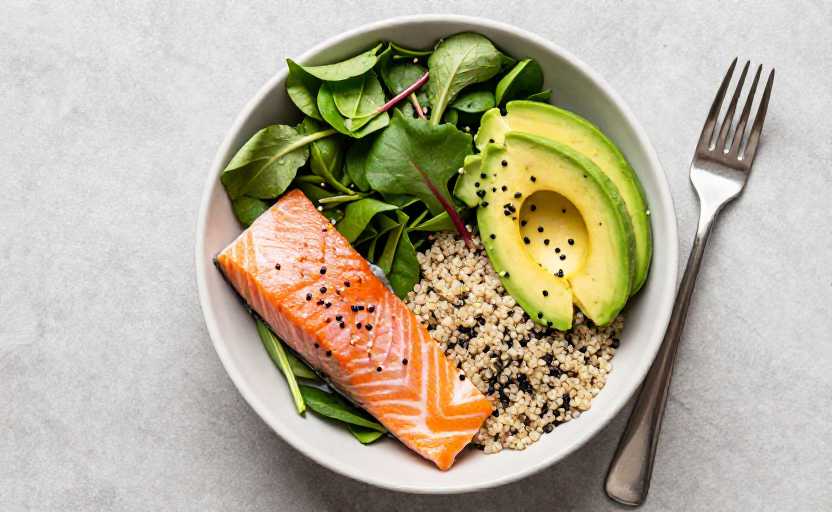
In fact, the diet after ovarian cancer surgery has never been a shackle of "you can't eat this and you can't touch that". The core is to eat happily, have enough nutrition, and feel comfortable. If you really want to eat hot pot or ice cream from time to time, as long as your recheck indicators are fine and your stomach doesn't hurt, it doesn't matter if you skip a few bites. After all, a good mood can help your recovery more than any food taboo rules.
Disclaimer:
1. This article is sourced from the Internet. All content represents the author's personal views only and does not reflect the stance of this website. The author shall be solely responsible for the content.
2. Part of the content on this website is compiled from the Internet. This website shall not be liable for any civil disputes, administrative penalties, or other losses arising from improper reprinting or citation.
3. If there is any infringing content or inappropriate material, please contact us to remove it immediately. Contact us at:
