
Pregnancy food allergies
Food allergies that occur during pregnancy will not cause fetal malformation in most cases, nor will the allergic constitution be directly passed on to the child. As long as the allergens are avoided in time and handled properly, there will be almost no negative impact on the mother and child. The only thing to be wary of is the risk of shock and laryngeal edema caused by severe allergies. Do not force yourself or take anti-allergic drugs on your own.
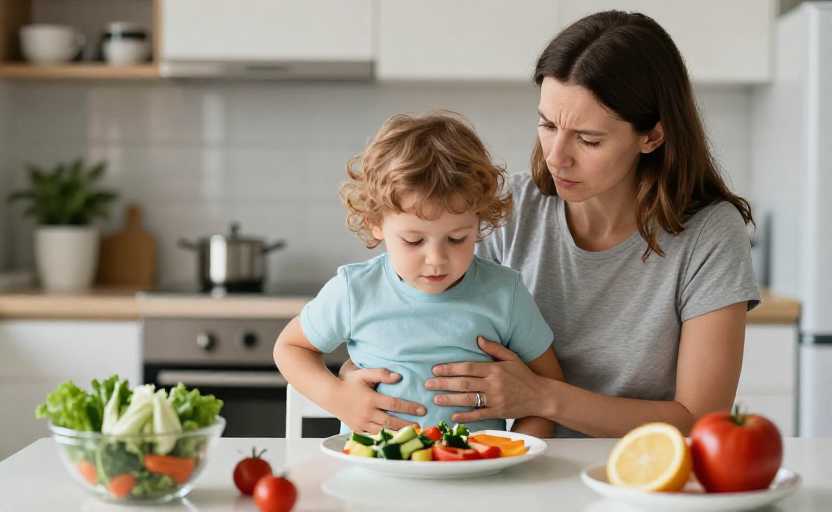
Last month, I just saw a pregnant mother who was 14 weeks pregnant. She ate half a piece of kiwi fruit brought by a colleague. As soon as she swallowed it, her lips felt numb and her throat felt as tight as a ball of cotton. Her family members rushed her over and gave her an injection of epinephrine, which quickly relieved her. Later, she said that she originally wanted to carry it at home. After all, "you can't just take medicine when you're pregnant." Fortunately, her family persuaded her to come. She would have to endure it until she couldn't breathe, and the consequences would be disastrous.
To be honest, people's treatment of food allergy during pregnancy is really polarized nowadays. Either they dare not take any medicine for fear of affecting the child, and they are so itchy that they can't sleep all night long. Or they just take the allergy medicine that they always prepared before, without considering whether it can be used during pregnancy. Both of these methods are actually quite dangerous.
First of all, we need to understand clearly what a real food allergy is. Don’t rely on allergies just because you have a bad stomach. For example, if you have diarrhea after eating undercooked crayfish or have an upset stomach after eating too cold mango, it is mostly caused by bacterial infection or cold and cold stimulation, which has nothing to do with allergies. True IgE-mediated food allergy usually occurs within a few minutes to 2 hours after eating. Either the lips are swollen, the mouth is numb, or the body has well-defined wheals that are itchy. In severe cases, the person feels chest tightness, breathlessness, and panic. Most people either have a history of similar allergies before, or it is the first time they eat new foods that they have never touched before.
Here we have to talk about the differences in treatment in different departments. We in the obstetrics department are definitely more cautious and try not to use drugs if we can. After all, any drug has potential metabolic risks. But if you look to an allergist, the priority is different - maternal hypotension and hypoxia caused by severe allergies are much more harmful to the fetus than a single use of compliant anti-allergic drugs. Is the current clinical consensus actually that it is harmonious? Not really, just respond flexibly: If you only have a few sporadic rashes and are not itchy, you can drink more warm water and observe first. If the itching is uncomfortable, apply calamine lotion. This is a topical medicine with very low transdermal absorption and is completely safe to use during pregnancy. If the rash has grown all over, affects your sleep, or even started to make you feel short of breath, don’t hold on. Follow your doctor’s advice and take pregnancy Category B anti-allergic drugs such as loratadine and cetirizine. The benefits far outweigh the risks.
What many people are most concerned about is "Will my allergy be passed on to my baby?" This fact has not yet been reached by the academic community. Some studies have shown that repeated severe allergies in mothers during pregnancy will increase the probability of the baby suffering from atopic dermatitis and allergic rhinitis after birth. There are also follow-up studies with hundreds of thousands of samples saying that the correlation between the two is almost negligible, and there is no need to worry about disappearing. But there is a pitfall that I have to remind you almost every time: Don’t just go for the food intolerance test that costs hundreds of dollars. It checks for IgG antibodies. This indicator has nothing to do with food allergy. Nine out of ten people will be found to be “intolerant” to eggs, wheat, and milk. If they stupidly follow the report and abstain from this or that, they will end up with malnutrition, which will affect the development of their children.
I have been in the obstetrics department for almost 9 years, and I have seen too many pregnant mothers who have allergies. The first thing they do is not to see a doctor, but to take a photo of the rash and send it to a group of pregnant mothers. The group of people all said, "My last allergy lasted for three days and it was cured." It’s really not necessary. Everyone’s allergies and allergens are different. If you have a clear history of severe allergies, just avoid it if you are pregnant. Don’t take chances with the mentality that “you may be able to eat it due to changes in pregnancy.” If you really have a sudden allergy, first recall what you have eaten in the last 1-2 hours that you have not touched before, and write it down not to touch it next time. If the symptoms are mild, apply some calamine and observe. If you feel short of breath, palpitation, or have a blocked throat, don't check Baidu or ask group friends, go directly to the emergency room, which is safer than anything else.
Disclaimer:
1. This article is sourced from the Internet. All content represents the author's personal views only and does not reflect the stance of this website. The author shall be solely responsible for the content.
2. Part of the content on this website is compiled from the Internet. This website shall not be liable for any civil disputes, administrative penalties, or other losses arising from improper reprinting or citation.
3. If there is any infringing content or inappropriate material, please contact us to remove it immediately. Contact us at:
