
It’s easy to get sick in early spring. Let your diet help you kill bacteria.
Do you know what to do in your daily diet to effectively eliminate bacteria and viruses in your body to achieve treatment? cold The effect? Of course you don't need to take medicine Hospital , just rely on your usual diet, these vegetables can help you.
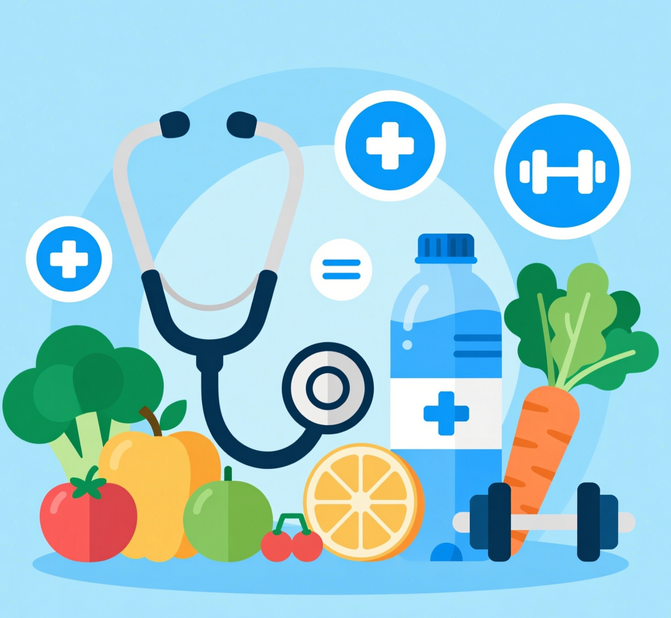
Vegetables with bactericidal effects mainly refer to onions and garlic, such as garlic, green onions, leeks, onions, green garlic, garlic sprouts, etc. These plants are rich in broad-spectrum fungicides, which can kill and inhibit various cocci, bacilli, and fungal viruses.
Among them, the most prominent one is garlic. Allicin, the main antibacterial component contained in garlic, can effectively kill pathogenic bacteria. It should be noted that in order to maximize the bactericidal effect of garlic, it is better to eat it raw. Eating a few cloves of crushed garlic every day can effectively prevent the occurrence of acute dysentery and enteritis. ; The effectiveness of garlic will be greatly reduced after it is cooked.
In addition to onions and garlic, some other vegetables also have certain antibacterial and anti-inflammatory effects. Wild vegetables such as purslane and dandelion can be eaten in the spring and summer seasons, which can not only adjust the taste, but also have disease prevention and health care effects. Some of the vegetables we usually eat have antibacterial effects. After being squeezed into juice and drunk, the effect is better, and it is easier for the elderly and children to absorb it.
Such as cabbage juice and cucumber juice, the selenium contained in them helps to enhance the bactericidal ability of white blood cells in the human body, and can treat periodontal disease caused by gum infection. disease It has certain curative effect. Sour vegetables such as tomatoes can promote the production of gastric juice and increase gastric acid, thereby reducing the proliferation of germs caused by insufficient gastric juice secretion.
When consuming antibacterial vegetables, they should be eaten raw or stir-fried in a short period of time. Onions, garlic, etc. can be used as seasonings, added to cold dishes, or added before cooking, which can better exert their antibacterial effects. It should be noted that vegetables are not medicine after all and may contain bacteria themselves. They must be washed thoroughly before eating. They cannot be taken lightly just because they have antibacterial and bactericidal effects.
Suitable foods to prevent colds
1. Choose liquid foods that are easy to digest, such as vegetable soup, gruel, egg soup, custard, milk, etc.
2. The diet should be light and less greasy, which not only meets nutritional needs, but also increases appetite. You can serve white rice porridge, millet porridge, adzuki bean porridge, with side dishes such as sweet pickles, kohlrabi, mustard or fermented bean curd, which is light and refreshing.
3. To ensure the supply of water, you can drink more acidic juices such as hawthorn juice, kiwi juice, red date juice, orange juice, watermelon juice, etc. to promote gastric juice secretion and increase appetite.
4. Eat more foods containing vitamin C, E and red foods, such as tomatoes, apples, Grape , dates, strawberries, beets, oranges, watermelons and milk, egg wait. Prevent the occurrence of colds.
5. Eat small amounts and frequent meals. If the fever subsides and the appetite is better, you can switch to a semi-liquid diet, such as noodle soup, chicken soup with dragon beard noodles, small wontons, vegetable puree porridge, meat floss porridge, liver puree porridge, and egg drop porridge.
dietary taboos
1. Avoid sweet and greasy food.
2. Avoid spicy and hot foods. Chili, mustard and other spicy foods can help fire and produce phlegm, making the phlegm thicker and difficult to cough up, which can aggravate headaches and nasal congestion.
3. Avoid grilling and frying products. Barbecuing and frying food.
4. Avoid highly irritating condiments such as curry powder, pepper, and fresh chili powder, which are highly irritating and harmful to the respiratory mucosa, causing dryness and spasm, causing nasal congestion, choking, and coughing, and aggravating the patient's symptoms. Therefore, cold patients should not eat it.
5. Avoid sea fish, persimmons, cigarettes, alcohol, etc.
6. Avoid improper diet. Improper diet will make colds protracted and difficult to cure.
7. People with colds and colds should not eat raw or cold fruits and cold drinks.
Disclaimer:
1. This article is sourced from the Internet. All content represents the author's personal views only and does not reflect the stance of this website. The author shall be solely responsible for the content.
2. Part of the content on this website is compiled from the Internet. This website shall not be liable for any civil disputes, administrative penalties, or other losses arising from improper reprinting or citation.
3. If there is any infringing content or inappropriate material, please contact us to remove it immediately. Contact us at:

