
High blood pressure prevention lecture summary
There is no universal "standard answer" for the prevention of high blood pressure. Folk remedies such as "celery juice to reduce blood pressure" and "walking ten thousand steps a day to reduce blood pressure" are only suitable for specific groups of people. The core framework of prevention for ordinary people is the three basic items of "weight control, invisible salt restriction, and mood stabilization." However, the specific implementation must be based on your own physical constitution and adjustments to underlying diseases, and do not blindly copy other people's experiences.
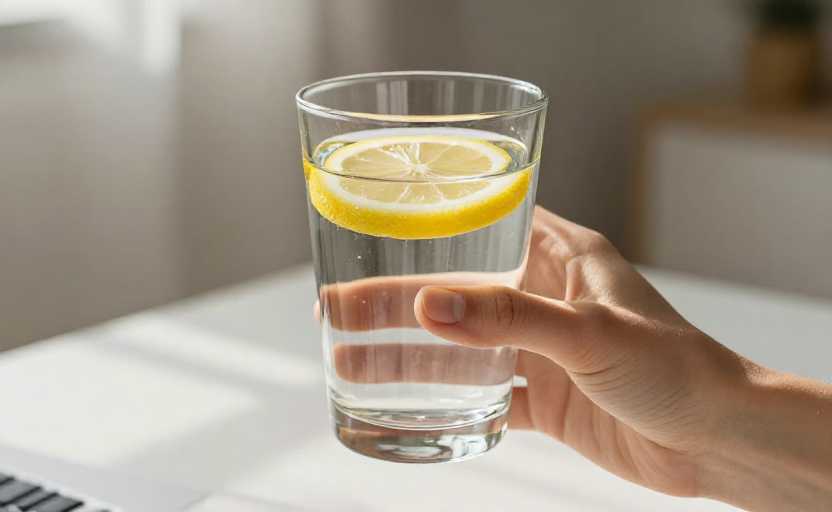
I was particularly impressed by Aunt Zhang, who asked the first question at the beginning. She is 62 years old and has a family history of high blood pressure. She heard that she should drink a large glass of celery juice every morning and evening to reduce blood pressure. She didn’t dare to add too much salt for cooking. Last month, her blood pressure was still at 145/90. I was very anxious. After careful questioning, experts found out that she helped her son take care of her two-year-old baby every day, and her chest would become tight from anger at every turn. She could only sleep for five hours at most at night, and her mood swings had a greater impact than what she ate or drank.
Director Li from the Department of Cardiology of Western Medicine who came this time took the latest data from the 2023 edition of China’s Guidelines for the Prevention and Treatment of Hypertension and said that the prevalence of hypertension over the age of 18 in our jurisdiction has reached 27.5%, which is almost 1 in 4 people, and nearly 60% of them have not discovered it themselves. The current mainstream evidence-based medical recommendations are that daily salt intake should not exceed 5g, BMI should be controlled between 18.5-23.9, waist circumference should not exceed 90cm for men and 85cm for women, and at least 150 minutes of moderate-intensity exercise per week. However, he also specifically mentioned that there is currently controversy over the scale of salt restriction in the academic community. The latest cohort studies have shown that excessive salt restriction (less than 3g per day) in people with renal insufficiency may actually increase the risk of cardiovascular events. Therefore, eating less salt is not always better. Adjustments must be made based on your own kidney function, and do not follow the trend and go to extremes.
Dr. Wang, a Chinese medicine internal medicine doctor who came with Director Li, focused more on individual differences. He said that many people's high blood pressure is not caused by eating salty food, but a physical problem. For example, for people with hyperactive Liver Yang who usually tend to be anxious and have red face and bitter mouth, losing temper less and staying up late is more effective than restricting salt. ; For people with a phlegm-damp constitution that usually has a big belly, a lot of phlegm, and stools that stick to the toilet, the first thing to control is sweet and greasy things such as milk tea, cakes, and fatty meats. The influence of salt is ranked second. He also specifically refuted the rumors on the Internet that "everyone can drink chrysanthemum tea and apocynum tea to lower blood pressure." People with weak spleen and stomach who drink these herbal teas for a long time will not only fail to lower their blood pressure, but will also be prone to stomach upset and loss of energy, which is not worth the gain.
A salt-limiting spoon was also brought to the scene for demonstration. Many aunties said that they usually don’t know the exact amount of salt when cooking. The nurse calculated it for everyone on the spot: an ordinary beer bottle cap is almost 5g when flattened, and it also takes into account the invisible salt in soy sauce, chicken essence, pickles, plums and even bread. For example, if you eat a piece of bread with sauce in the morning and a bowl of instant noodles at noon, you have already exceeded the amount of salt for that day, so there is no need to add additional salt. Speaking of this, a young man raised his hand and said that he was just 28 years old and his blood pressure was 140/90 during the last physical examination. He usually uses less salt in cooking. Only later did he realize that he had to eat a pack of braised food every day after get off work, and the salt in it was enough for two days.
Nurse Liu, who has been following up on chronic diseases in the community for eight years, also chimed in, saying that she had seen too many residents who went astray. Not long ago, an uncle followed a short video and learned to walk 20,000 steps a day to lower his blood pressure. After half a month of walking, he developed synovitis in his knees. He couldn't sleep because of the pain, and his blood pressure rose to 160. In fact, you don’t have to focus on the number of steps when exercising. You can walk briskly, do Tai Chi, or dance square dances. Controlling your heart rate at 170 is enough to reduce your age. Just move until you sweat slightly. Excessive exercise will put a burden on the body.
By the way, the most frequently asked question at the scene was "Can a small amount of drinking help lower blood pressure?" The opinions of experts from the two departments are really different. Director Li said that after drinking alcohol, the blood vessels will expand in a short period of time, and the blood pressure will indeed drop a little. However, no matter how much alcohol you drink for a long time, it will increase blood pressure and affect the effect of antihypertensive drugs. It is best not to drink alcohol at all. ; Dr. Wang said that if you do not have gout or abnormal liver function, drinking a little rice wine or red wine in daily life can indeed play a role in unblocking the meridians and will not have a big impact on blood pressure. The key is "a small amount" - that is, no more than 1 tael of white wine a day, no more than 2 taels of red wine, and no more than 300ml of beer. Anything more than that is useless.
In fact, after listening to the whole lecture, my biggest feeling is that many people’s misunderstanding about the prevention of hypertension is that they always want to find a once-and-for-all solution, either by eating a certain thing to lower blood pressure, or by doing a certain exercise, but they ignore their own physical feelings. As the experts said in the end, the best prevention is actually not that complicated. Check your blood pressure at least twice a year, and if you have a family history, check it once every six months. Eat a lighter diet, be less angry, and don't stay up late. It is more effective than any other folk remedies. If your blood pressure is really high, don’t panic. Ask a doctor to adjust your medicine. Don’t blindly change your own folk prescriptions. It’s better than anything else.
Disclaimer:
1. This article is sourced from the Internet. All content represents the author's personal views only and does not reflect the stance of this website. The author shall be solely responsible for the content.
2. Part of the content on this website is compiled from the Internet. This website shall not be liable for any civil disputes, administrative penalties, or other losses arising from improper reprinting or citation.
3. If there is any infringing content or inappropriate material, please contact us to remove it immediately. Contact us at:
