
Restaurant Survival Guide: Ordering Safety Manual for People with Allergies
Don’t be embarrassed to clearly inform the service staff of your allergens and severity, don’t touch any dishes with vague ingredient descriptions, and keep your receipts for accountability in case something goes wrong. The rest are all practical details based on these three points. You don’t need to remember too much. If you engrav these three sentences into your DNA, you can avoid 90% of pitfalls.
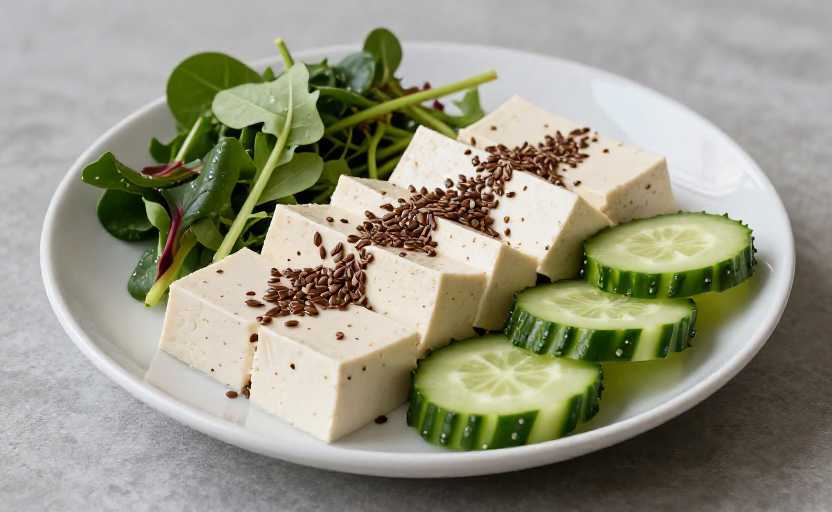
Let’s first clarify the most basic concept – don’t confuse food intolerances with allergies. For example, diarrhea caused by drinking milk is mostly caused by lactose intolerance, and you have to run to the toilet a few times at most. However, if you are really allergic to milk protein, you may have edema in your throat and be sent to the emergency room. It is completely different. Don’t “downgrade” the risk yourself, and don’t listen to others saying, “Isn’t it just uncomfortable after eating it? As for being so pretentious,” your body is yours, and there is no need to gamble for the sake of face.
Last week, I went to eat sukiyaki with my little girl who has level 3 nut allergy. As soon as she sat down, she took out her phone and showed the waiter a screenshot of her medical history of being admitted to the emergency room due to allergies. She said, "I am allergic to all nuts. I will go into shock if it gets severe. Please help me tell the chef not to add nuts to all dishes." Break it into pieces, and the sauce should not contain nuts, thank you." The waiter did not dare to neglect at that time, and went to the kitchen to explain to the chef. When the dish was served, he even came over to confirm with us, "I checked with the kitchen three times, and no nut ingredients were touched in your dish, so you can eat it with confidence." Of course, some people think that asking for medical records is too exaggerated, and just mention it to the waiter. Both of these methods are correct. It all depends on your own allergic level: if you only get a little bit and it will only cause a small rash, it is okay to mention it casually. If you have already had a history of shock, there is really no shame in asking for more snacks.
There are actually two schools of people ordering food nowadays. One is the "just take things as they come" type: you'll ask when you arrive at the store, and if you can order something, just order it if you can't, just to save trouble.; The other is the "preparation type": call the merchant a week before the dinner to ask if they can make allergen-free meals, and even send an allergen list to the merchant in advance for verification, which is suitable for people with serious allergies who want to attend the party. There is really no need to judge each other. I am allergic to mangoes and dust mites. I usually go to the store to ask questions when I eat with friends. If there are a lot of people in a company group building, I will explain my situation to the organizer two days in advance and ask him to help say hello to the restaurant, so as not to sit at the table without anything to eat.
The worst-hit area that I really need to mention is that the dishes that say "secret sauce", "braised in old soup" and "hand-made freshly made" basically don't have all the ingredients listed. Last time I ordered some handmade taro balls from an internet celebrity candy shop, thinking they were made from sweet potato and taro. It turned out that the boss added peanut powder to enhance the flavor. My cousin who is allergic to peanuts got a swollen face after taking one bite. Fortunately, she brought loratadine with her. There are also pumpkin soups and mushroom soups in Western food. Many stores will add peanut butter or chopped walnuts to thicken them. If you don’t ask, the waiter won’t tell you. ; There may be mango sauce hidden in the Thai tom yum gong to enhance the freshness, and the Japanese salad may be sprinkled with broken almonds that you can’t see. These are all pitfalls that people around me have stepped on.
Don't mention it, another risk that is easily overlooked is the shared condiments on the table. I once had a friend who was allergic to seafood. When he was eating hot pot, he dipped the garlic sauce on the table and got a rash on his body after eating. Later, he found out that the previous customer had added a shrimp slipper to the sauce jar and dipped it in the seafood sauce. If the allergy is serious, it is best to ask the waiter to bring you an unopened disposable seasoning packet, or simply bring your own commonly used seasonings without any trouble.
Some friends have argued with me before, saying that when a merchant says, "Our kitchen cannot guarantee no cross-contact with allergens," should I force the merchant to do it alone? My own experience is that if your allergy is not high and you are fine if you touch it even a little bit, you can give it a try. If your allergy is to the point where you will go to the hospital if you touch it, don’t worry and just go to a specialized allergen-free restaurant. You really don’t have to risk your life just for one bite. Oh, by the way, don’t believe the words “should not” or “maybe not added” from the waiter’s mouth. These two words “should” are the natural enemies of people with allergies. Make sure you ask him to go to the kitchen to find the chef to confirm and give you an accurate answer. If you are not sure, just change the dish. There is nothing embarrassing.
In fact, after so many years of allergies, my biggest feeling is that I really don’t have to care too much about other people’s opinions. Most businesses can understand. After all, they can’t afford it if something goes wrong. Of course, I have also encountered waiters who rolled their eyes and said, "There are so many things to do." There is no need to talk nonsense to him, just go to another restaurant to eat. Eating is a happy thing, so there is no need to worry about this. If you accidentally eat it, don’t take it hard. Take the antihistamines you carry with you first. If you have difficulty breathing or dizziness, call 120 immediately. Remember to keep the receipt and order record when you check out. If you really want to be held accountable, you have proof.
All in all, there are actually no rules that are too complicated. The core is to put your own safety first and put everything else aside.
Disclaimer:
1. This article is sourced from the Internet. All content represents the author's personal views only and does not reflect the stance of this website. The author shall be solely responsible for the content.
2. Part of the content on this website is compiled from the Internet. This website shall not be liable for any civil disputes, administrative penalties, or other losses arising from improper reprinting or citation.
3. If there is any infringing content or inappropriate material, please contact us to remove it immediately. Contact us at:
