
Urinary protein 1 and ten dietary taboos
Don’t blindly supplement high protein, strictly control invisible salt in your diet, and avoid highly irritating foods that can aggravate the original disease. The rest of the taboo requirements must be adjusted based on the reasons for your elevated urinary protein. There is no “uniform fasting list” that applies to everyone.
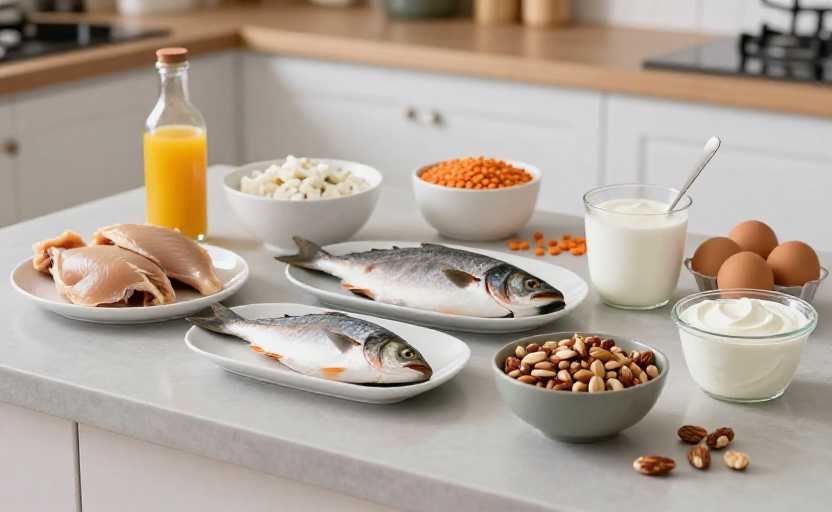
I just met a 27-year-old young man a while ago. The physical examination at the company showed that the urine protein was 1+. I searched on the Internet and said that I need to supplement high-quality protein. I went back to eat 3 eggs and 2 cartons of milk a day, and stewed sea cucumber every other day. As a result, the reexamination in half a month directly rose to 2+, and the creatinine of the kidney function was a little higher than before. When I asked about it, I found out that he had been drinking beer with friends until 3 a.m. the day before the physical examination. This was originally a transient physiological proteinuria, but taking supplements indiscriminately put extra metabolic burden on the kidneys. Five or six years ago, whenever clinical doctors saw a plus sign in urine protein, they would basically require a strict low-protein diet, and the protein intake should not exceed 0.8g per kilogram of body weight per day. However, with the follow-up of clinical research in the past two years, the consensus has changed: If the transient urine protein 1+ is detected after strenuous exercise, high fever, long standing, and eating a lot of high-protein foods, there is no need to deliberately limit protein, a normal diet is fine, as long as you don't blindly supplement like this young man. ; If you are diagnosed with urinary protein 1+ caused by pathological factors such as chronic nephritis, diabetic nephropathy, etc., then you need to control the protein intake to 0.8-1.0g per kilogram of body weight. Give priority to high-quality proteins such as eggs, milk, and lean meat, which can absorb well and reduce metabolic waste, but will not cause trouble to the kidneys.
Oh, by the way, what everyone needs to pay more attention to than limiting protein is actually controlling salt. Many people think that it is enough for me to add less salt when cooking, but it is really not the case. Last time, I had an aunt who used a salt-limited spoon every time she cooked. The total amount of salt she added in a day was less than 5g. As a result, the urine protein did not come down after a repeat test. When I asked her, I found out that she usually eats melon seeds and plums when she is fine. She also likes to drink a bowl of vegetable porridge with pickles at night. The invisible salt in these processed foods has long exceeded the standard. Don't believe it, a 100g bag of meli contains nearly 2000mg of sodium, which is almost 5g of salt. If you just eat a few, you will use up half of your daily salt allowance. If you are also complicated by high blood pressure and lower limb edema, your daily salt intake must be strictly limited to less than 3g. Pickles, processed meats, milk tea, and sports drinks should not be touched. If it is just a simple transient proteinuria, the normal daily salt intake should be within 6g. Don't be so strict that you can't eat anything salty, which will affect your appetite.
Let’s talk about those mythical “absolute taboo foods” that everyone spreads, such as soy products, spinach, and seafood. In fact, it really depends on the situation. I met a patient before who didn't dare touch tofu for half a year after his urine protein was found to be 1+. However, he drank a bowl of tofu soup when his family stewed it last time. He was so frightened that he went for a follow-up examination the next day, and the result was that the urine protein even dropped. The old view is that soy products are plant proteins, and excessive metabolic waste will damage the kidneys. However, research in recent years has long confirmed that soy protein is a high-quality protein, and eating it in moderation can protect kidney function. As long as you are not in an acute attack of gout, drinking a cup of soy milk and eating half a piece of tofu every day is completely fine. On the contrary, those high-purine broths, animal offal, and raw spinach and asparagus with particularly high oxalic acid content. If you have urinary protein 1+ due to urinary stones or gouty kidney disease, you should avoid these. Otherwise, stones or gout attacks will further damage kidney function. If you only have ordinary mild nephritis or transient proteinuria, it is okay to eat hot pot and fried spinach occasionally, and you don’t need to completely avoid these foods.
I have been in the nephrology department for almost 9 years, and I have seen too many people who are so frightened when they see 1+ protein in their urine that they dare not eat this or that. In three months, they have lost more than ten kilograms, and they are prone to colds due to poor immunity. It is more difficult for the protein in their urine to turn negative. I have also seen careless people who drink and eat takeout every day. After half a year, their urine protein reaches 3+, and their kidney function is abnormal. In fact, most cases of urinary protein 1+ are reversible. Dietary adjustment is only a supplement. The most important thing is to first figure out the reason for your plus sign. Don’t blindly follow the list of taboos on the Internet, and don’t take it lightly. Keep a regular schedule and don’t stay up late. Check again after half a month, and most of them will go away.
Disclaimer:
1. This article is sourced from the Internet. All content represents the author's personal views only and does not reflect the stance of this website. The author shall be solely responsible for the content.
2. Part of the content on this website is compiled from the Internet. This website shall not be liable for any civil disputes, administrative penalties, or other losses arising from improper reprinting or citation.
3. If there is any infringing content or inappropriate material, please contact us to remove it immediately. Contact us at:
