
Diet taboos for thyroid nodules
There is no "one-size-fits-all" dietary taboo for thyroid nodules that is common to the whole population. Most of the rumors posted on the Internet that "you must abstain from iodine and eat cruciferous vegetables" are rumors taken out of context. The specific taboos must be determined based on the nature of your nodules and your thyroid function status. Blind taboos can easily lead to problems.
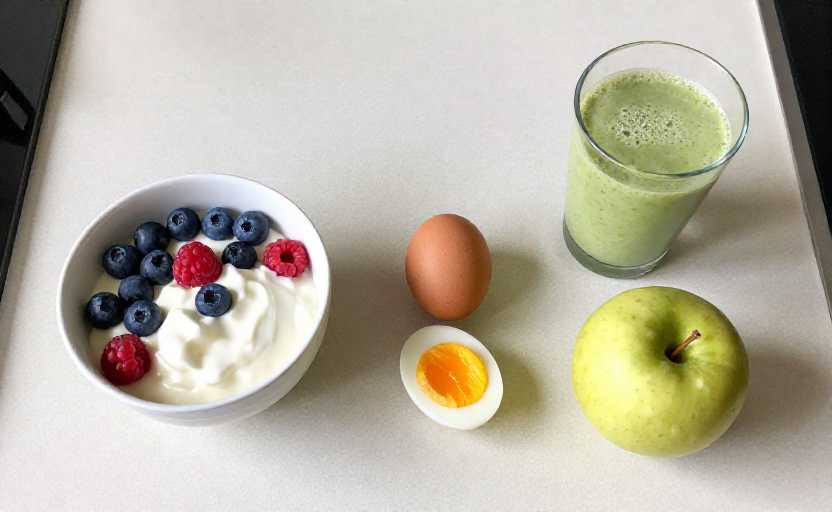
Last week, I met a 32-year-old girl in the outpatient clinic. Her physical examination revealed Type 3 benign nodules. She threw away all the iodized salt, kelp and seaweed when she returned home. She didn’t even dare to touch the shrimps and crabs. She came back for a follow-up visit in half a month, feeling flustered and exhausted. The thyroid function test showed signs of subclinical hypothyroidism. In fact, regarding the relationship between iodine and nodules, the academic community has always had different research conclusions: one group believes that long-term excessive iodine intake may increase the risk of papillary thyroid cancer, while the other group points out that iodine deficiency will increase the incidence of follicular nodules and goiter. Both sides have data to support it, so there is no need to go to extremes. If your nodules are combined with hyperthyroidism, you must strictly limit iodine, switch to non-iodized salt, and avoid seafood and high-iodine foods. ; If you have a benign nodule with normal thyroid function, it is perfectly fine to eat iodized salt normally and eat seafood once a week. As long as you don't chew kelp every time and drink seaweed soup as water. Oh, by the way, if a malignant nodule requires iodine 131 treatment after surgery, iodine must be strictly prohibited 1-2 months before treatment. This is a clear clinical requirement, so don’t take it seriously.
After talking about iodine, which everyone is most anxious about, let’s talk about another “nodular hair substance” that has been rumored to be amazing—cruciferous vegetables. Broccoli, cabbage, radish, and cabbage are all on the blacklist. It is not completely unfounded to say that it can promote goiter. The thiocyanate in these vegetables will indeed competitively inhibit the thyroid's absorption of iodine, but you have to reach an effective amount - eating more than 2 pounds of raw food every day may reach a concentration that affects thyroid function. You can't just eat a pot of raw broccoli, right? I usually eat half a plate of fried food at a time, so I don’t have to worry about it at all. Of course, if you are already deficient in iodine and have Hashimoto's thyroiditis, you can appropriately reduce the frequency of eating raw cruciferous vegetables. The impact of cooked cruciferous vegetables will be minimal.
Compared with the two highly controversial foods above, which are basically unnecessary to avoid, there is one type of food that you really need to pay more attention to and try not to touch if possible: supplements containing a large amount of exogenous estrogen, royal jelly, snow clam, purple river car, and some unknown ingredients of beauty and health products that claim to "reverse growth and replenish qi and blood." There was a 45-year-old patient who drank a small cup of royal jelly every day in order to relieve menopausal symptoms. After drinking it for half a year, the small nodule that was originally 0.3cm directly grew to 1.2cm. After stopping, he was followed up for one year and it never got bigger. Women are inherently a group with a high incidence of thyroid nodules. Excessive intake of exogenous estrogen will continue to stimulate the thyroid tissue and easily make the nodules grow larger. This has been clinically proven. Don’t fall into the trap for the so-called health maintenance.
Oh, by the way, some people asked if they can eat spicy food and drink coffee? I have an old patient in Chongqing who doesn’t like spicy food. The nodules haven’t grown at all after 3 years of follow-up. As long as you don’t feel gastrointestinal discomfort when eating spicy food and don’t feel flustered or insomnia after drinking coffee, there is no need to quit. Currently, there is no research to prove that spicy food or caffeine can stimulate the growth of nodules. Don’t put shackles on yourself.
I have been working in an endocrinology clinic for almost 10 years, and I have seen too many people whose first reaction after being diagnosed with nodules is to make a list of taboos. Even if they eat a carrot, they have to check whether they can eat it for a long time, which makes their normal life a mess. In fact, more than 90% of thyroid nodules are benign, and dietary adjustment is only an auxiliary. The most important thing is to first clarify the nature of thyroid function and puncture examinations, and regular follow-up visits for six months to one year are enough. You really need to remember the dietary precautions. To put it bluntly, there are three sentences: don’t quit iodine, don’t eat indiscriminately, and stay up less late at night is better than anything else. There is no need to be timid about eating the things you like just because of a small nodule. It’s not worth it, right?
Disclaimer:
1. This article is sourced from the Internet. All content represents the author's personal views only and does not reflect the stance of this website. The author shall be solely responsible for the content.
2. Part of the content on this website is compiled from the Internet. This website shall not be liable for any civil disputes, administrative penalties, or other losses arising from improper reprinting or citation.
3. If there is any infringing content or inappropriate material, please contact us to remove it immediately. Contact us at:
