
Diet taboos for chalazion
Currently, there are only three types of diets that are clinically recognized to be avoided - foods with high glycemic content and high fat, highly irritating foods that can aggravate local inflammation, and foods that are clearly known to cause self-allergy. Statements such as "all hairy foods should not be touched" and "cold fruits should not be eaten" are not supported by unified evidence-based medicine, so there is no need to blindly follow the trend of food taboos.
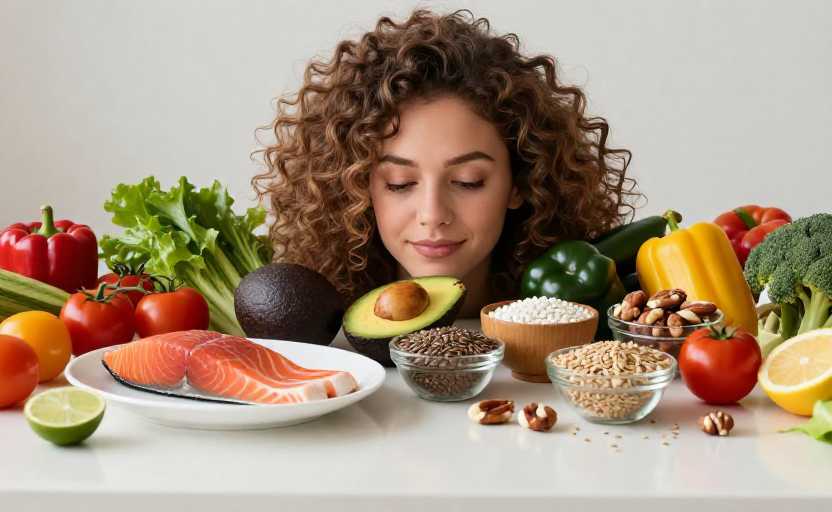
Oh, by the way, I just met a 4-year-old patient in the outpatient clinic last week. The chalazions recurred three times and reappeared less than two months after each operation. The parents were very worried. When they asked about the diet, they found out that the old man was afraid that "fatting" would aggravate the condition, so he stopped giving eggs, fish, shrimp, and milk to the baby. He drank freshly squeezed orange juice every day to supplement vitamin C, and cooked beef rolls every day to "supplement nutrition." Isn't this a typical taboo that should be tabooed and should not be tabooed? The baby is as thin as a bean sprout, and the chalazion should grow.
Let’s first talk about whether the “fawu” that everyone is arguing about the most is edible. There are indeed two views in the industry: one is based on clinical Western medicine, which believes that chalazion is essentially a chronic granuloma caused by the blockage of the meibomian gland outlet, and has nothing to do with the so-called "hair". As long as you are not allergic to eggs, beef, mutton, seafood, etc., normal eating will not induce or aggravate chalazion, and there is no need to lose your mouth in vain. ; The other school of thought is the view of some Chinese medicine practitioners, who believe that if it is an acute attack of chalazion and local redness, swelling, heat and pain are obvious, you should try to eat less warm and dry foods such as durian, lychee, and braised beef and mutton to avoid aggravating the local inflammatory reaction. This view is not completely clinical. According to this, I have also encountered patients who ate a spicy hot pot meal during an acute attack, and their eyes were so swollen the next day that they could not open their eyes. If you really feel that your eyelids are red and swollen after eating certain foods, it is okay to stop temporarily. There is no need to argue with others about whether there is a scientific basis.
Rather than worrying about whether you can eat hair products, all doctors will remind you to eat as little food as possible: high-glycemic foods that are high in sugar and oil. Think about it, chalazions are caused when the oil secreted by the meibomian glands is too thick and blocks the outlet. You drink milk tea, eat cream cakes, gnaw fried chicken legs every day, and many parents love to buy fruit puree and cheese sticks with a lot of sugar for their children. After eating pork belly and butter hot pot every day, the sugar and fat content in the blood will increase, and the oil secreted by the meibomian glands will naturally become sticky. The water pipes that were originally smooth are now filled with paste. Isn't it easy to get clogged? I once had a 20-year-old female patient who kept milk tea in her hand, at least one cup a day. She had a chalazion in each eye. After the surgery, she listened to my advice and gave up milk tea. It has not recurred for almost a year. The effect is better than any other folk remedies.
Then there are highly irritating foods, such as super spicy hot pot, raw mustard, and high-strength liquor. Eating these foods will dilate the blood vessels in the skin and mucous membranes. If you happen to have an inflamed chalazion, which is already red, swollen, and painful. After eating, the blood vessels will expand, making the swelling worse and the pain more obvious. There is absolutely no need to suffer this. But you don’t have to be too stuck. If you usually like to eat slightly spicy food and your eyelids don’t react at all after eating it, then there is no problem in eating it normally. Individual differences are huge, so there is no need to copy other people’s taboo lists.
Another point that many people overlook is that they must avoid foods that may cause allergies. For example, some people are allergic to mangoes and peanuts. Not only do they get rashes on their bodies after eating them, but the meibomian gland mucosa in their eyelids will also become edematous. The originally smooth outlet will suddenly become narrow, and the oil cannot be discharged, which will naturally lead to cysts. You must know your allergic history yourself, so you can avoid it proactively. You don’t have to listen to what others say you can’t eat and just follow the taboos.
In fact, to put it bluntly, the impact of diet on chalazion is at best a auxiliary factor. It does not mean that if you strictly avoid food, it will definitely not grow, nor does it mean that if you occasionally eat a bite of cake, it will definitely recur. When you have nothing to do, use a warm towel to apply to your eyelids. This will melt the oil in the meibomian glands and make it easier to drain. Don't rub your eyes with dirty hands all the time. Pay attention to resting your eyes. This is more effective than any dietary restrictions. If you really have a chalazion and it hasn't gone away for more than a month, don't rely on taboos. Go to the hospital to see an ophthalmologist. A minor surgery will do. It only takes ten minutes, so there is nothing to be afraid of.
Oh, by the way, one last thing, don’t give your children blind dietary restrictions. If they don’t keep up with the nutrients they need for growth and development, the gain outweighs the loss. It’s really unacceptable.
Disclaimer:
1. This article is sourced from the Internet. All content represents the author's personal views only and does not reflect the stance of this website. The author shall be solely responsible for the content.
2. Part of the content on this website is compiled from the Internet. This website shall not be liable for any civil disputes, administrative penalties, or other losses arising from improper reprinting or citation.
3. If there is any infringing content or inappropriate material, please contact us to remove it immediately. Contact us at:
