
Benefits of walking for the elderly: Elderly people may wish to take regular walks for health care
Walking is the cheapest exercise method, also very suitable elderly , long-term persistence can delay aging and enhance the body's adaptability. However, many elderly people in life do not know the benefits of walking. Therefore, people often ask what are the benefits of walking for the elderly? What kind of exercise is not suitable for the elderly? Next, I will introduce them one by one for your reference.
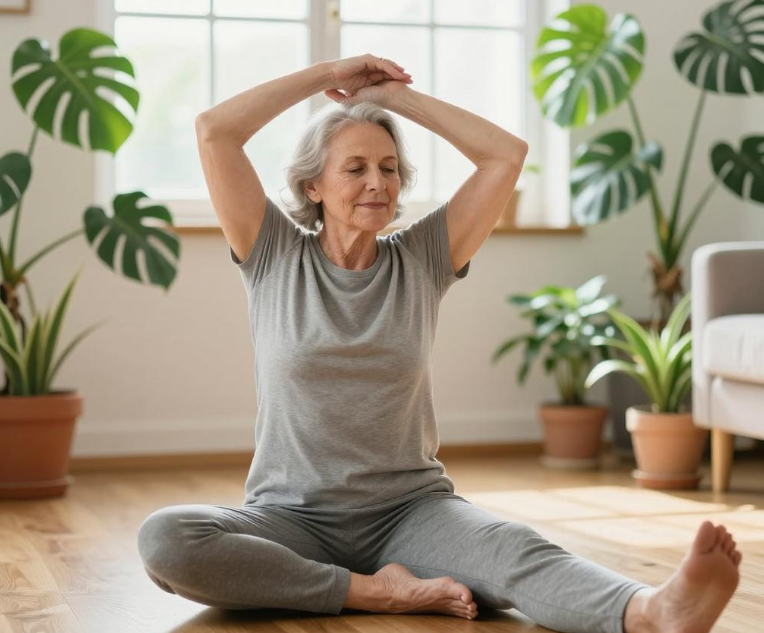
Benefits of walking for seniors
Enhance adaptability
It can greatly improve the labor rate of brain and intelligence, help change the impatience personality, and enhance the ability to adapt to various environments and things.
Increase body metabolic rate
When middle-aged and elderly people walk at a speed of 50 meters per minute, their metabolic rate increases by 48%. If you walk for an hour every day, walking 4,000 to 5,000 meters, you will consume about 300 kcal.
Benefits the cardiovascular system
It can accelerate blood circulation, increase the tension of blood vessels, and wash away sediments on the blood vessel walls, which can effectively prevent various cardiovascular diseases such as arteriosclerosis.
Helps eliminate fatigue
A brisk walk can soothe nerve Muscle tension is an ideal "antidote" for emotional stress. Goethe once said: “My most precious thoughts and their best expressions emerged while I was walking. ”Because the blood circulation throughout the body is accelerated during walking, the cerebral blood flow is increased, and the nutrition of nerve cells is improved, which can help people with mental and psychological stress relax, and is helpful for eliminating fatigue, maintaining the body, and improving learning and work efficiency.
Enhance cardiovascular function
Regular walking can regulate the functions of the entire blood circulation system and respiratory system, prevent muscle atrophy, and maintain joint flexibility. When a person walks, the lower limbs must support the body weight, so that the muscles and bones of the calves, thighs and buttocks can be exercised. At the same time, the body moves forward, and the lower limb muscle groups that need to participate in the activity coordinate with other parts of the body. The heart must strengthen its contraction and increase the blood output of the heart, which is a good exercise for the heart. For example, walking at a speed of 80 meters per minute, generally every minute heart rate Up to 100 times.
The right way to walk
Insomniacs: walk slowly for half an hour before going to bed
Walking 15 minutes before going to bed at night and walking slowly for half an hour can have a better sedative effect.
Obese people: Take long brisk walks
It is advisable to walk long distances, 2 times a day, 1 hour each time. Walking faster will allow free fatty acids in the blood to be fully burned and fat cells to shrink, thereby reducing weight.
Hypertensive patients: Put your feet on the ground and raise your chest
Patients with high blood pressure should walk at a moderate pace. The upper body should be straight when walking, otherwise it will compress the chest and affect the heart function. When walking, they should make full use of the cushioning effect of the arch of the foot. They should land on the forefoot and not the heel first, because this will cause the brain to vibrate continuously and easily cause dizziness.
coronary heart disease Patient: walk slowly
Patients with coronary heart disease should not walk too fast to avoid angina pectoris. You should walk slowly 1 hour after a meal, 2 to 3 times a day, for half an hour each time. Long-term persistence can promote the formation of coronary collateral circulation, help improve myocardial metabolism, and reduce vascular sclerosis.
Weak people: throw away your arms and stride forward
To achieve the purpose of exercise for the weak, it is best to walk more than 5kg per hour. If you walk too slowly, you will not be able to achieve the purpose of strengthening your body. Only by taking long steps, spreading your arms, and moving your whole body can you regulate the functions of various organs in your body and promote metabolism. And it is best to do it in the early morning and after meals, 2 to 3 times a day, for more than half an hour each time.
Diabetics: Swing your arms and legs to raise your chest
Diabetic patients should try to increase their pace when walking, hold their chest high, swing their arms, and swing their legs vigorously. It is best to do this after a meal to reduce the increase in blood sugar after a meal. It is appropriate to walk for half an hour or 1 hour each time. However, patients who are being treated with insulin should avoid the peak time of insulin action to avoid hypoglycemic reactions. Walking is generally done half an hour after a meal, and the activity time should not exceed 1 hour.
There are three types of exercises that are not suitable for the elderly
sit-ups
Most middle-aged and elderly people have more or less problems with their cervical and lumbar spine. Coupled with osteoporosis, doing sit-ups can easily cause irreversible damage to the cervical and lumbar spine. In addition, this exercise causes great changes to the head, which is very important for people with cardiovascular and cerebrovascular diseases. disease For people, it is easy to cause blood pressure to rise and cause accidents.
Suggestion: This type of exercise is not suitable for middle-aged and elderly people. It is recommended to choose some exercises with a smaller range of motion. Health preservation starts from the little things in life, rather than being achieved overnight.
Bending to pick up heavy objects
Regarding the exercise of bending down to pick up heavy objects, it is actually harmful to anyone. If the strength is not in place, it is easy to slip to the waist, and even the blood pressure rises suddenly. Especially for middle-aged and elderly people, this exercise should be avoided.
Suggestion: When picking up heavy objects, you should take a "three-step" approach: the first step is to move your body closer to the heavy object.; The second step is to bend your knees and hips and hold the object firmly with both hands. ; The third step is to extend your knees and hips so that you can pick up the object.
Climb stairs
For people after the age of 50, body muscles decrease by 3% to 5%, and the corresponding balance becomes worse. Among elderly people who fall, more than 51% are related to stair climbing, which kills 20,000 people every year. As we age, our joints degenerate. When going up and down stairs or climbing mountains, the knee joints bear 3 to 5 times the usual weight, which accelerates joint aging.
Suggestion: If the elderly need to go up or down stairs, they must hold on to the handrails.
Disclaimer:
1. This article is sourced from the Internet. All content represents the author's personal views only and does not reflect the stance of this website. The author shall be solely responsible for the content.
2. Part of the content on this website is compiled from the Internet. This website shall not be liable for any civil disputes, administrative penalties, or other losses arising from improper reprinting or citation.
3. If there is any infringing content or inappropriate material, please contact us to remove it immediately. Contact us at:

