
Diabetes Nursing Graduation Project Assignment Letter
For full-time undergraduate graduates majoring in nursing, the topic is limited to "Construction of a personalized home nursing intervention program for elderly patients with type 2 diabetes in the community." It is required to complete the entire process of field research, program design, and pre-test verification within 12 weeks, and finally produce a community nursing tool kit that can be implemented, and a graduation thesis that meets academic standards of more than 8,000 words, with a repetition rate of less than 10%.
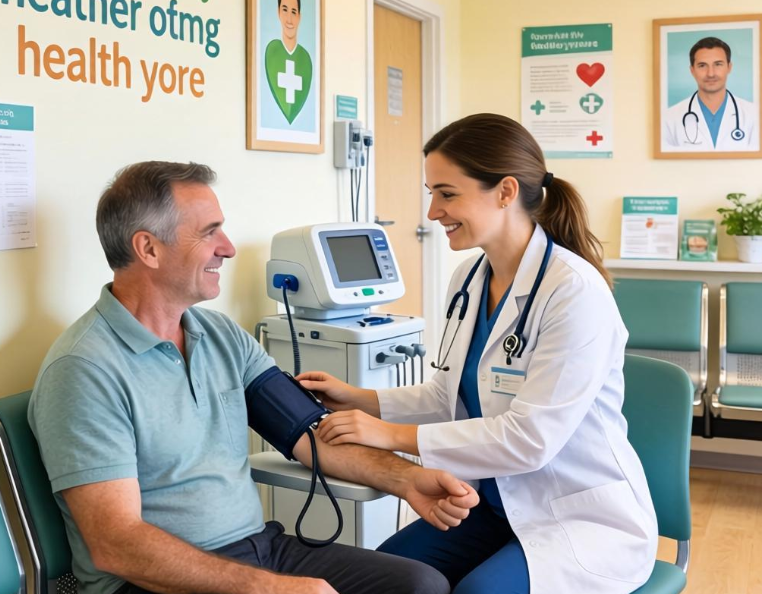
The teacher from the teaching and research office really did not come up with this question. When I was following up at the community health service center last year, I met three elderly people in one week who were sent to the emergency room for ketoacidosis due to ketoacidosis after stopping anti-diabetic drugs on their own. The youngest was only 49 years old. He usually felt that he did not need to take medicine because he had no symptoms, and he could not even figure out the correct use of a blood glucose meter. Nowadays, the prevalence rate of diabetes among adults in China has reached 12.8%. There are a lot of people with diabetes in the community, but not even 30% can really do long-term self-care. This topic selection is based on actual clinical needs and is not a theoretical study.
There are actually two very different ideas for diabetes intervention in the industry. There is no absolute right or wrong. You can refer to both when making designs, and you don’t have to take sides. One group is to strictly follow the evidence-based route, and all intervention measures must follow the guidelines. For example, you must walk 6,000 steps a day, and carbohydrate intake accounts for 50%-60% of total calories. Even one more gram is not enough. The advantage is that it is highly standardized and less prone to error. However, the problem is that it is too rigid and many elderly people simply cannot persist. The other group prefers humanistic care and believes that the priority should be to adapt to the patient's living habits. For example, some elderly people in the north have been eating noodles and steamed buns all their lives. If you suddenly ask them to switch to brown rice and quinoa, they will not be used to it and will give up after a week. It is better to calculate the weight of each staple food for him and slowly replace it with some whole grains. The acceptance is much higher, but this plan also requires the nurse's personalized adjustment ability.
In the preliminary research, don’t just squat in the dormitory and search for literature. You should spend at least two weeks in the community, follow the community nurse to visit your home, interview at least 20 elderly people with diabetes who have been ill for more than 5 years, 10 nurses with more than 3 years of community nursing experience, and attend two community health classes for people with diabetes. If you listen to it, you will know that many elderly people have more misunderstandings than you think. For example, they think they can eat sugar-free biscuits at will, they do not need to control their diet after taking insulin, and some people stop taking regular medicines because of the propaganda of health products. These are real problems that you want to solve when making plans, not fake needs fabricated from the literature. Oh, by the way, you must read through the latest "China Guidelines for the Prevention and Treatment of Type 2 Diabetes (2024 Edition)", as well as the home care guidance just updated by the WHO this year. These are hard requirements and cannot be avoided. Don't just use old documents from three or four years ago as a basis.
Don’t make the toolkit you make into a white paper full of professional terms. If the elderly can’t understand it, it’s just useless paper. The cards for food exchange portions are made like playing cards, with large characters and colorful pictures. How many calories are in a fist-sized bun and how many servings are in a palm-sized piece of lean meat? You can see it at a glance. If you know how to design a simple small program, you can also add a check-in template suitable for young people with diabetes, which can record fasting blood sugar, post-meal blood sugar, and automatically convert the calories of food eaten. It doesn’t need to be complicated, just can be used. Don’t forget to add a simple checklist for diabetic foot screening. You can use it when the community nurse comes to your home. You don’t have to look through thick guides, which saves you a lot of trouble. Oh, yes, if you can click on video clips, you can also make a few 1-minute short popular science videos, such as how to correctly test blood sugar by pricking your finger, and how to check whether there is added sugar in the food ingredient list. If you put it in the community owner group, the dissemination is much higher than the manual. This is a bonus item and is not a hard requirement, but it will definitely stand out if you do it.
After completing the plan, don’t rush to write a paper. Find people with diabetes in 5 communities to do a 2-week pre-test to see if they can insist on using it and if there is anything that they find troublesome. A previous program made by a schoolmate required the elderly to record blood sugar 4 times a day. As a result, the elderly people thought it hurt to prick their fingers, so they gave up after a week. Later, they changed it to 3 fasting + 2 post-meal measurements per week. The acceptance rate increased immediately. These adjustments must be written into the paper. It is not something to be ashamed of. Instead, it shows that you have really practiced it and are not doing it behind closed doors. There was a senior student who thought it was troublesome to go to the community and relied entirely on compiling data to write a thesis. In the middle, he was directly called back by the defense team. He spent an extra month doing research and almost postponed his graduation. Don't step into this trap.
During the mid-term inspection, don’t just talk nonsense with a PPT. You should bring the original records of your interviews, photos of the community sugar club, and feedback forms from the pre-test. If you don’t have any solid evidence and just rely on documents to gather content, you will definitely not be able to pass. During the final defense, if you can get a community nurse to come over and testify for you that your plan can be used, your probability of getting an excellent graduation project will be doubled.
As an aside, don’t think that this design is just for graduation. A student I once led made a dietary card for people with diabetes. We are still distributing it in our community. Many elderly people carry it in their pockets to buy groceries. When what you make can really help people, the sense of accomplishment is stronger than how many scholarships you receive. By the way, here’s another reminder: if you encounter an old man who says he relies on health supplements to lower his blood sugar, don’t deny him or her. First, listen to his explanation of why he believes that. Then guide him slowly. In nursing, you should empathize first before intervening. The same principle applies to graduation projects.
Disclaimer:
1. This article is sourced from the Internet. All content represents the author's personal views only and does not reflect the stance of this website. The author shall be solely responsible for the content.
2. Part of the content on this website is compiled from the Internet. This website shall not be liable for any civil disputes, administrative penalties, or other losses arising from improper reprinting or citation.
3. If there is any infringing content or inappropriate material, please contact us to remove it immediately. Contact us at:
