
Menopause health management archives
90% of mild to moderate discomforts can be alleviated through non-drug methods such as diet, exercise, and emotion regulation. Only about 10% of people with moderate to severe symptoms and no contraindications need to take standardized medication under the guidance of a doctor.
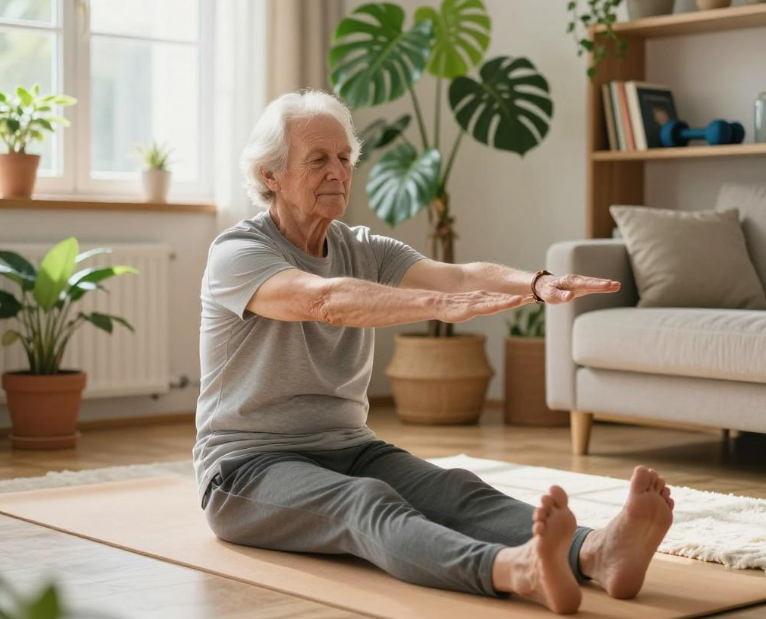
I have been in the gynecological endocrinology clinic for almost 8 years and have accumulated more than 2,000 menopausal follow-up files. The one who impressed me the most was Aunt Zhang who came to see me last year. She was 52 years old and had been menopausal for 1 and a half years. She had hot flashes 17 times a day and was woken up by sweat three times while sleeping. I secretly bought imported estrogen ointment in the live broadcast room called "Return to 40" and applied it for 3 months. During the examination, the breast nodules increased from Category 2 to Category 4a. She was so scared that she came directly to register with three unopened boxes of ointment. Fortunately, the puncture result was benign. After stopping the medicine, the nodules slowly shrank back to Category 3. Later, she adjusted her diet and danced square dance three times a week, and the frequency of hot flashes dropped to two or three times a week. She said, "Now she can eat well and sleep well, which is much more reliable than applying that thing."
Speaking of hormone supplementation, this is also the most controversial part of menopausal management. There are actually three mainstream intervention directions, and there is no absolute right or wrong: Western medicine endocrinologists follow the domestic "Menopause Management and Menopausal Hormone Treatment Guidelines (2023)" and believe that within 10 years of menopause and the "window period" of under 60 years old, if there are no contraindications such as breast lesions, thrombosis, and endometrial lesions, standardized menopausal hormone therapy (MHT) can not only quickly relieve symptoms such as moderate to severe hot flashes, vaginal dryness, but also prevent osteoporosis and reduce cardiovascular disease. Risks of disease; TCM gynecologists have completely different views. Most believe that menopause is a natural physiological process in which women's Qi and blood change from high to low, and do not require additional intervention in hormone levels. They can pass it smoothly through acupuncture and traditional Chinese medicine to regulate Qi and blood, soothe the liver and relieve depression. There are also advocates of natural therapy who completely reject drug intervention and rely on plant supplements such as soy isoflavones, mindfulness meditation, and regular exercise. There are a large number of effective cases in the three directions, and the core is to match the individual's physical condition and acceptance.
In fact, looking through the more than 2,000 files in my hand, I found that most people actually do not need medication at all. Many people have misunderstandings about menopause. They always think that "it's just a bad temper and you just have to endure it." There used to be a 48-year-old ancient literature teacher who paid special attention to her public image. One time during a big class, she suddenly had a hot flash, her face turned red to her ears, and sweat flowed down her neck. The students were whispering below. She felt that she had made a big fool of herself. We did cognitive behavioral conditioning for her for two months, and asked her to keep a symptom check-in sheet every day, record the number of hot flashes and sleep duration, drink 300ml of freshly ground soy milk every morning, and swim twice a week. Later, the frequency of her hot flashes dropped from seven or eight times a day to two or three times a week. Last month, she sent a message saying that she took the initiative to apply to go back to teach school-level open classes.
Many people ask me whether there is any use in taking soy isoflavones. To be honest, I can’t give a unified answer. For people with mild symptoms in the file, I usually prescribe a diet and eat about 100g of soy products every day. Almost 30% of people reported that the frequency of hot flashes has indeed decreased, but some people have taken it for half a year to no avail. There are also patients with uterine fibroids of more than 3 cm. Taking too much isoflavones will cause the fibroids to grow. This thing is just an auxiliary. Don't take it as a magic medicine. When I was sorting through the files, I also discovered an interesting pattern: People who exercise at a moderate intensity for more than 30 minutes three times a week have an average menopausal symptom score that is 42% lower than those who do not move at all. There is a 54-year-old aunt who used to take care of her grandson at home every day. She suffered from backache and always quarreled with her husband. Later, she danced jazz dance with the community team for three months. Last time she came for a follow-up, she said that not only did her sleep improve, but the number of quarrels with her husband dropped by half. Do you think it's magical?
There is another issue that is rarely mentioned, but actually appears very frequently in files, and that is sexual health during menopause. Nearly 60% of the follow-up people have problems with vaginal dryness and pain during intercourse, but less than 10% of them take the initiative to ask. They always feel embarrassed to mention this at such an old age, and there are many people who insist on it. In fact, if there is only local discomfort, using low-dose local estrogen ointment is much safer than systemic medication, and there is no need to feel any psychological burden.
Every time I sort out these files, I feel that menopause is actually like a season change in a woman’s life. Some people just wear a light coat, some people have to add a sweater, and some people may have to wear a scarf and a hat. There is no unified standard. As long as you are comfortable, it is better than anything else. There is really no need to carry it hard, and there is no need to be anxious. Don't just follow the trend and buy what others are doing. Seek a professional doctor for a clear evaluation, and the best plan is the one that suits you.
Disclaimer:
1. This article is sourced from the Internet. All content represents the author's personal views only and does not reflect the stance of this website. The author shall be solely responsible for the content.
2. Part of the content on this website is compiled from the Internet. This website shall not be liable for any civil disputes, administrative penalties, or other losses arising from improper reprinting or citation.
3. If there is any infringing content or inappropriate material, please contact us to remove it immediately. Contact us at:
