Methods for treating digestive disorders
Organic lesions such as ulcers and polyps must be ruled out first. Mild disorders can be relieved by adjusting eating rhythm and eating habits. Moderate disorders accompanied by alternating abdominal distension, constipation and diarrhea can be combined with flora regulation + emotional intervention. For severe disorders that have affected normal life, follow the doctor's advice and use gastrointestinal motility and antispasmodic drugs. Do not blindly follow the trend of eating high-priced stomach-nourishing health products.
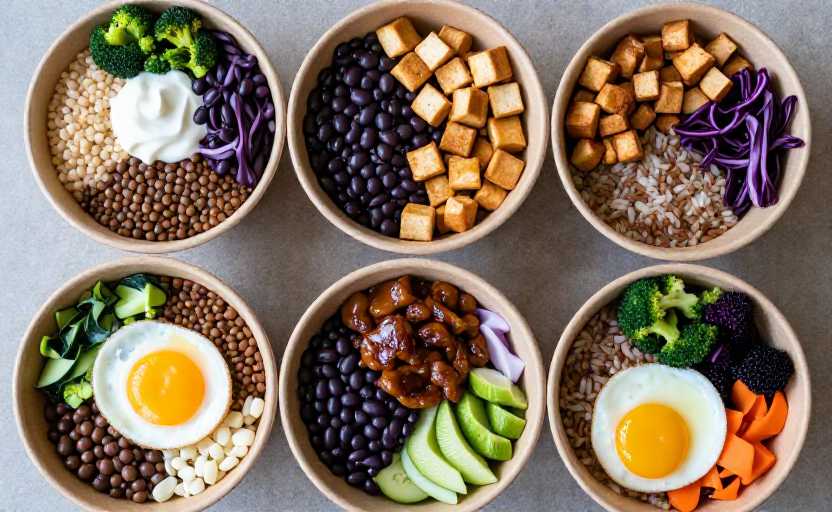
You must have had times like this: the subway suddenly started to rush out as soon as you arrived at the station to catch the morning rush hour, you had a barbecue with friends the day before and you were so bloated that you couldn't sleep until 2 a.m., you went to the hospital for a gastroscopy and colonoscopy, everything was fine, but the doctor said "digestive disorder". At this time, don’t search for “10 foods you must eat to nourish your stomach”. First, find out where your disorder comes from – is it caused by heavy oil and salt? Or are you struggling to catch up on KPIs every day? Or are you born with a weaker stomach than others? The treatment methods for different triggers are very different. If you don't copy other people's experience, it may make the treatment worse.
I have seen many people give up all hot pot milk tea as soon as they hear the word "disorder", and only drink white porridge and boiled vegetables. After half a month of drinking, their faces turn green, and their flatulence problem is not cured at all. There are differences in academic circles on this matter: Gastroenterology departments of Western medicine generally recommend reducing the intake of high-fat, high-sugar, and spicy food to reduce the risk of abnormal gastrointestinal irritation. ; However, the perspective of traditional Chinese medicine on dietary therapy is completely different. It is not necessary to completely avoid food, as long as you "follow your own constitution" - if you grew up in Chongqing, you can eat spicy food every time, and you can't completely cut off spicy food for the sake of conditioning. As long as you don't show off ten skewers of spicy butter and iced Coke at one time. In actual practice, I think the latter is more sustainable. After all, conditioning is only effective if it can be sustained. If you ask a person who relies on milk tea every day to suddenly drink warm water for up to 3 days, the rebound will be even more severe.
Last year, a friend who was teaching and training came to me and told me that he had been taking classes for two months during the summer vacation. He often went from 8 a.m. to 10 p.m. and had to take two bites of food between the two classes. Sometimes students would ask questions after taking a bite, put down the bowl and forget to eat. Later, they would have stomachaches as soon as they ate, and they would poop after eating. She heard on the Internet that probiotics are useful, so she bought three boxes of imported products costing more than RMB 400. She drank them for a month and saw no effect. I asked her not to do those fancy things, but only two requirements: Chew each mouthful of rice 15 times, prepare a steamed apple or soda cracker during class, don't be so hungry that your stomach hurts before eating, and don't finish a bowl of rice in 10 minutes just to rush for time. She did as I was told, and within three weeks she told me that the diarrhea problem was basically gone. In fact, many people's disorders are not caused by the flora at all. It's just that you eat too quickly and put too much work into the stomach, which can't handle it.
When it comes to probiotics, this is really the most controversial thing in the conditioning circle. There are clear clinical studies showing that only specific strains (such as Lactobacillus rhamnosus GG, Bifidobacterium lactis BB-12) can clearly improve the disorders caused by irritable bowel syndrome (IBS), and it is effective only if you eat enough live bacteria. ; However, many gastroenterologists believe that additional probiotics are "passing bacteria" that stay in the intestines for up to two weeks before being excreted. It is better to eat more naturally fermented foods, such as unsweetened pure yogurt, Northeastern pickled cabbage, Sichuan pickles that have been pickled for 20 days, and unsweetened glutinous rice. Only the native bacteria grown by yourself are effective. I have tried both myself, and I feel that if you have just taken antibiotics and are experiencing short-term disorder, taking some medical-grade probiotics will help you more quickly. ; If you have intermittent gastrointestinal discomfort all year round, eating fermented foods slowly will make you more stable and you don't have to spend so much money.
By the way, don’t think that conditioning is just a matter of words. At least half of the disorder patients I have come into contact with are suppressed emotions. Nowadays, psychosomatic medicine calls the intestines the "second brain." If you are too anxious to sleep every day, or you feel inexplicably irritable when you get to work, the peristaltic rhythm of the intestines will be disrupted, which will have a greater impact than eating three hot pot meals. A stay-at-home mother came to see me before. She had been suffering from constipation for more than half a year. No matter what laxatives she took, it was useless. She was almost dependent on Kaiselu. Later, she and her husband agreed to go out for half a day every Saturday afternoon, not caring about the baby, and just find a cafe to sit in a daze for the afternoon. After just over a month, the constipation was much better. To put it bluntly, her nerves are usually too tense, and her intestines are also tense. Relaxing her nerves is more effective than any laxative.
If you have adjusted your diet and tried to relax but still have problems, such as breaking out in cold sweats when you feel pain, or having constipation and diarrhea for several months, don't take it hard, and don't blindly search for medicines to take. Go to the hospital for a gastroenterology department. Take the antispasmodics and gastrointestinal motility medicines prescribed by the doctor as you should. Don't hold on to the idea that "the medicine is the third poison", which will turn a small problem into a big problem. Oh, by the way, if you are still accompanied by blood in the stool and have lost more than 10 pounds in a month without deliberately losing weight, don't think about recuperation. Go for a gastrointestinal endoscopy first to rule out organic diseases. This is the bottom line, but don't take it seriously.
In fact, digestive disorders are simply your intestines and stomach sending you the signal "I'm not feeling well". It's just like you, some people are resistant and some are delicate. Don't copy other people's conditioning methods, and slowly understand the temperament of your own stomach and intestines - for example, don't have diarrhea when you eat ice, and go to bed early if you feel bloated after staying up late. It's more effective than any stomach-nourishing powder worth hundreds of dollars. After all, if you treat your stomach better, it won't make you angry at every turn.
Disclaimer:
1. This article is sourced from the Internet. All content represents the author's personal views only and does not reflect the stance of this website. The author shall be solely responsible for the content.
2. Part of the content on this website is compiled from the Internet. This website shall not be liable for any civil disputes, administrative penalties, or other losses arising from improper reprinting or citation.
3. If there is any infringing content or inappropriate material, please contact us to remove it immediately. Contact us at: