
Diet taboos for lung cancer
Never touch foods that are known to contain carcinogens or will increase respiratory or metabolic burdens; Don’t believe in extreme remedies such as “anti-cancer magic food” and “all-vegetarian starvation of cancer cells” ; Don’t blindly impose dietary restrictions that will lead to malnutrition, which will actually slow down the pace of treatment.
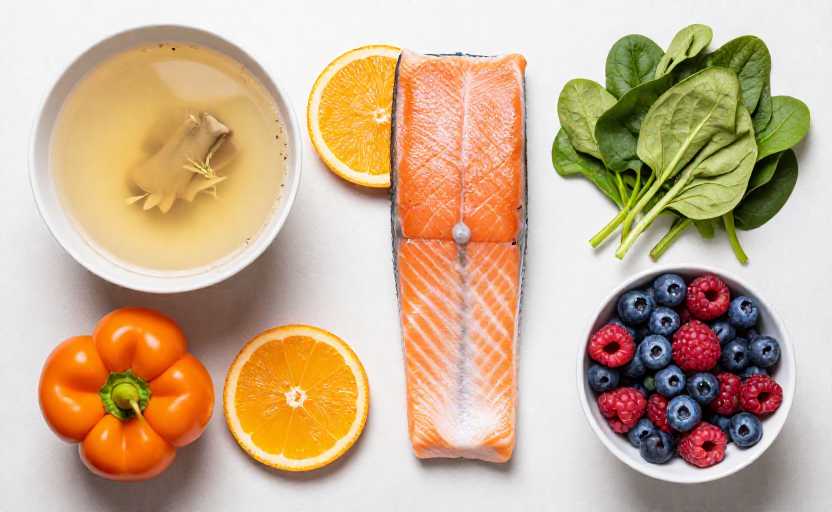
Two months ago, I met a 62-year-old postoperative lung adenocarcinoma patient at the thoracic surgery department. My son is a filial son. I heard that cancer patients should "taboo" even eggs, milk, fish and shrimp. He was given white porridge with vegetables every day, and secretly bought tens of thousands of "anti-cancer miracle drugs" for him to eat. As a result, a follow-up examination one month after the operation showed that the albumin was only 28g/L, hypoalbuminemia and lower limb edema. The scheduled adjuvant chemotherapy was postponed for three weeks, which in turn delayed the treatment.
Some people must ask, is there any truth in what the elders said that "hair can aggravate cancer"? In fact, there is currently no unified conclusion in the academic community. In the traditional Chinese medicine system, it is indeed believed that warm or allergenic foods such as crab, mutton, and dog meat may induce coughing and aggravate inflammation. This is especially true for patients who are allergic to seafood, or who develop radiation esophagitis or oral ulcers during radiotherapy. It is indeed easy to feel uncomfortable after eating them, so it is perfectly fine to avoid them appropriately. But from the perspective of modern nutrition, there is no concept of "fat food" at all. As long as you are not allergic or have any discomfort after eating it before, high-quality proteins such as fish, shrimp, and eggs are good for repairing postoperative wounds and improving immunity. It is better than drinking white porridge for ten days and a half.
To be honest, what is more important than worrying about hair is to avoid pitfalls that are clearly harmful to the body. The first to bear the brunt is tobacco, including second-hand smoke, third-hand smoke, and heavy oil fumes from cooking at home. Don’t think this is not related to diet. The oil fumes you breathe in when cooking are much more harmful than eating two so-called fat smokes. Among the foods you eat, you must not touch processed meats, pickled foods, and moldy foods that are clearly listed on the WHO's list of first-class carcinogens. For example, moldy nuts that have been at home for a long time, sauerkraut that has been pickled for more than half a year, and bacon sausages that are often eaten. The aflatoxins and nitrites in these will increase the risk of cell mutation. There are already lesions on the lungs, so don't burden the body anymore.
If you are in the stage of radiotherapy and your throat hurts like swallowing a razor blade, put away anything that is too hot, too hard, too salty or too spicy first. Last week, a family member of a patient asked me if I could bring his favorite salted duck with soy sauce to the patient. I immediately persuaded him to go back. The esophageal mucosa itself was so broken that it looked like an oral ulcer. Scratching the hard salted salted duck with soy sauce would not only hurt, but if the ulcer became infected, it would be even more troublesome to not be able to eat. If you have low white blood cells and severe gastrointestinal reactions during the chemotherapy period, try to avoid cold sashimi and iced drinks. Your immunity is already weak. Once you eat bad food and cause an infection, it may even be life-threatening. There are also patients who are taking targeted drugs. Be sure not to touch fruits such as grapefruit and pomelo. The furanocoumarins in them will affect the metabolism of targeted drugs, which will reduce the efficacy of the drugs and even aggravate the side effects. This is a definite taboo, so don’t take it seriously.
Another pitfall that everyone easily falls into is that they believe that "lung-clearing foods can kill cancer cells", or that pig blood, duck blood, and pears can clear toxins from the lungs and can even starve cancer cells to death. Don't believe this. Food goes through the digestive tract, which is completely different from the respiratory tract of the lungs. At most, pears can moisten the throat and relieve coughs. If you really want to clear the lesions, you have to rely on formal treatments such as surgery, radiotherapy, chemotherapy, and targeted drugs. Relying on eating food to fight cancer is just a waste of time. There are also those health products such as Ganoderma spore powder and ginsenosides that are extremely expensive. Most of them have not undergone formal clinical verification. If they are taken indiscriminately and conflict with the treatment drugs, the gains outweigh the losses. There was a patient who took Osimertinib before. He secretly took a large dose of wild ginseng to replenish his body. As a result, his blood pressure soared and he suffered nosebleeds. He thought he was resistant to targeted drugs. After going to the hospital for a long time, he found out that he had been treated.
In fact, after all, there are really not so many one-size-fits-all rules for the diet of lung cancer patients. There is no need to check the taboo list on the Internet one by one, and do not dare to eat this and touch that. My usual advice to patients is to first look at their body’s reaction: If you don’t feel uncomfortable or allergic to something, most of them can be eaten in moderation. The key is to ensure balanced nutrition, including protein, carbohydrates, and vitamins. After all, the most important thing for treatment is physical strength. If you are really unsure, ask a bedside doctor or clinical nutritionist, which is much more reliable than searching for unknown contraindications online.
Disclaimer:
1. This article is sourced from the Internet. All content represents the author's personal views only and does not reflect the stance of this website. The author shall be solely responsible for the content.
2. Part of the content on this website is compiled from the Internet. This website shall not be liable for any civil disputes, administrative penalties, or other losses arising from improper reprinting or citation.
3. If there is any infringing content or inappropriate material, please contact us to remove it immediately. Contact us at:
