Diet taboos for pregnant women with cholestasis
For pregnant women diagnosed with intrahepatic cholestasis of pregnancy (ICP), the only three categories that are absolutely contraindicated are alcohol, caffeine/taurine-containing functional drinks, and moldy foods. Those that need to be strictly restricted are high saturated fats (fat meat, butter, fried foods), high cholesterol (animal brains, fish roe, crab roe) ), highly processed high-sugar foods (milk tea, cream cakes, preserved fruits), and spicy and irritating foods (heavy hemp and spicy hot pot, mustard). There is no unified list of taboos for other foods. All foods must be adjusted individually based on your own liver function indicators, degree of itching, and food tolerance. There is no need to blanket all taboos.
Last month, when I accompanied my best friend to the obstetrics department for a follow-up consultation, I met a little girl who was 29 weeks pregnant. Her bile acid was just found to be 12 μmol/L, which was a mild increase. The doctor just told her to eat less greasy food, but she went home and heard what her mother-in-law said. Meat, eggs, and seafood are all "fat". I ate white porridge with stir-fried cabbage for three days. On the fourth day, I was so itchy that I couldn't sleep all night. The bile acid test increased to 16. It was also found that the albumin was low. The doctor told me a lot.
In fact, the truth is very simple. The function of bile is to help the intestines break down and digest fat. Now the bile excretion of pregnant mothers with ICP is blocked, and bile salts accumulate in the liver and even flow back into the blood, which will cause itchy skin and elevated indicators. At this time, if you stuff yourself with fried chicken and braised pork belly, it will not be like dozens of large trucks squeezing in at an elevated highway that is already blocked by traffic. The congestion will become even worse, and the bile salts cannot be discharged, and the indicators will naturally rise. But it’s not enough to not eat protein at all. Nutrition is needed for liver repair and fetal growth. If nutrition cannot keep up with the metabolism of the liver, the metabolic capacity of the liver will decline, which is to make matters worse.
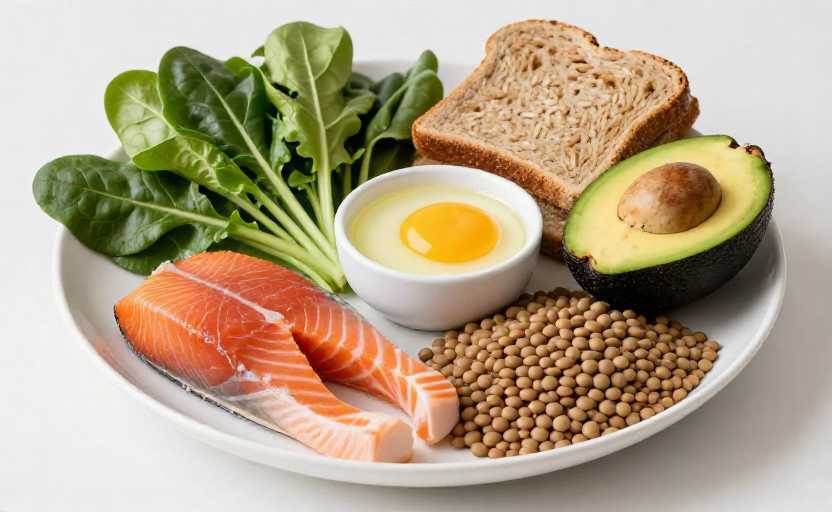
Many people say that ICP cannot touch seafood and egg yolks at all. In fact, there have been different clinical views on this point. I asked our maternal and child obstetric nutritionist here, and she said that as long as you are not allergic to shrimp, crab, or deep-sea fish before, and are not complicated by pancreatitis or abnormally elevated bilirubin, eating steamed low-oil deep-sea fish and boiled shrimp 2-3 times a week can supplement high-quality protein and DHA. It is much more cost-effective than eating white steamed buns every day. As for egg yolks, if your blood lipids are normal and your triglycerides and cholesterol are within the standard range for pregnancy, it’s absolutely fine to eat one a day. ; If your blood lipids are already above the standard, you can eat one yolk every two days instead of throwing it away completely. After all, the lecithin and vitamin A in the yolk are also good for the development of the fetus, so there is no need to give up eating due to choking.
In addition to these "taboos" that everyone is arguing about, there is another minefield that is easily overlooked, which is high-sugar foods. Don't think that only big fish and meat will increase the burden. Many pregnant mothers are greedy for sweets and hold the mentality of "eating fruits is always right". They show off half a durian, two or three pounds of mangoes a day, or drink iced milk tea after a meal. Metabolism of these high-sugar foods will increase the workload of the liver, but will affect the excretion of bile. I have been in contact with a pregnant mother before. Her bile acid level was originally only 10, but after drinking a cup of full-sugar bubble milk tea every day for three consecutive days, the level rose to 21, and she was almost hospitalized for observation. There are also some pregnant mothers who are greedy for braised food and pickled vegetables. These high-salt and highly processed foods contain many additives, which will also put a burden on the liver, so eat as little as possible.
Several obstetrical nurses around me encountered mild ICP when they were pregnant. They didn't say that they shouldn't eat this or that. They just changed the braised pork ribs they usually eat to steamed ones, the fried crispy pork to less spicy boiled pork slices, and the milk tea to freshly squeezed low-sugar juice. They didn't eat cream cakes when they were hungry at night, and ate a boiled egg or half a corn. After two or three weeks, the reexamination indicators basically dropped, and there were no problems. On the contrary, many of those who dare not eat anything are malnourished and have small fetuses.
In fact, in the final analysis, dietary adjustment is only a part of ICP care. If the index is really high, you should take medicine. If you should monitor fetal heart rate every week, you don’t have to be too harsh on yourself when it comes to diet. Just avoid the things you absolutely cannot touch, eat less greasy and high-sugar foods, and the rest will follow your body’s feelings. If you don’t feel itchy after eating something, or feel sick or bloated, then eat in moderation. It’s tiring enough to be pregnant with a baby, so there’s no need to be too hard on yourself when it comes to food, right?
Disclaimer:
1. This article is sourced from the Internet. All content represents the author's personal views only and does not reflect the stance of this website. The author shall be solely responsible for the content.
2. Part of the content on this website is compiled from the Internet. This website shall not be liable for any civil disputes, administrative penalties, or other losses arising from improper reprinting or citation.
3. If there is any infringing content or inappropriate material, please contact us to remove it immediately. Contact us at: