
Diet taboos after luteal rupture surgery
When the wound is not completely healed 1-2 weeks after the operation, you must not touch alcohol, blood-activating foods/medicinal materials, or iced drinks. Try to avoid foods high in oil and sugar, highly spicy and irritating, and easy to produce gas. Don't believe the saying "take a lot of supplements immediately after the operation", which may slow down the recovery.
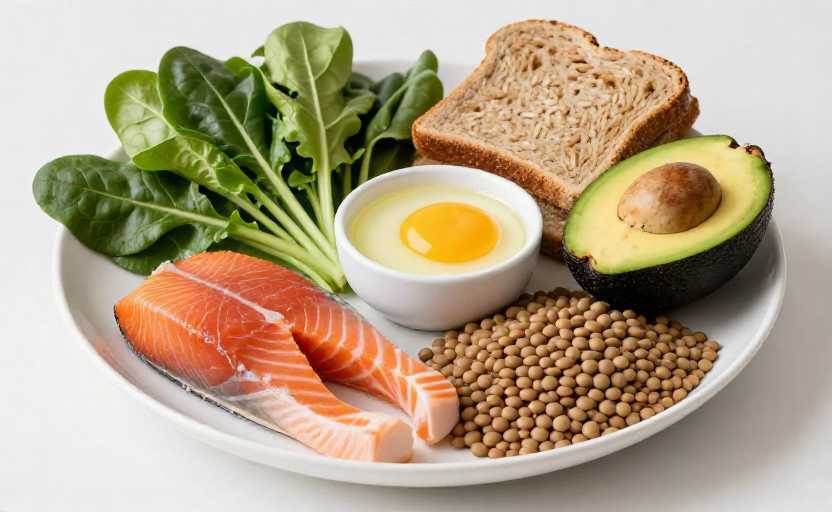
When I was on duty in the gynecological ward last week, I saw a 21-year-old girl who was returning to the hospital on the third day after laparoscopic surgery for rupture of the corpus luteum. She had already gone through the discharge procedures. I went to have a butter hotpot with iced milk tea with my friends. That night, I felt severe pain in my lower abdomen. I came to check for B-ultrasound and the pelvic effusion was 2cm larger than just after the operation. Fortunately, there was no active bleeding. I stayed in the hospital for observation for three days before leaving. I really stepped on several taboos.
Many people think that they need to be replenished after surgery. On the first day, the elderly at home bring them stewed chicken with angelica and astragalus, donkey-hide gelatin cake, brown sugar water, and some people even make ginseng tea. These things have a strong blood-activating effect. The wounds of the corpus luteum are originally healed by coagulation and scabs. If the blood is activated all at once, internal bleeding will be easy when the scabs fall off. I can be discharged from the hospital in 3 days, but I have seen not ten but eight cases where the patient was forced to stay for an extra week. Let me talk about a different point of view here. There are also opinions from the nutrition department that if the patient is usually weak in qi and blood and looks pale after the operation, a small amount of astragalus can be added to the soup one week after the operation. As long as it is not used in large doses, it will not be a big problem. This depends on the individual's constitution. If you are not sure, ask the bedside doctor. Don't make up for it by yourself.
There’s no need to talk more about ice, right? Think about it, there are fresh wounds in the pelvic cavity. When something cold hits the stomach, the gastrointestinal tract will spasm, and the pelvic muscles will also twitch. The pain is really not much different from when the disease first occurred. Moreover, catching cold will slow down the local blood circulation and the wounds will grow slowly. I also saw a girl who secretly chewed a piece of Menglong on the fourth day after the operation while her family was not paying attention. She was so painful that she squatted in the corridor of the ward and broke out in a cold sweat. The reexamination showed no bleeding, just cramping pain. It took her 3 hours to recover. Is it a loss? However, this does not mean that you cannot eat fruits at room temperature. Fruits at room temperature, such as apples and bananas, can be eaten the day after surgery. If you are afraid of the cold, just soak them in warm water. There is no need to give up fruits completely.
Let’s talk about the most controversial “foods”, such as seafood, beef, mutton, and chili. The consensus among Western medicine is that as long as you are not allergic to these foods, you can eat them, especially steamed fish and shrimp, which are rich in high-quality protein and can actually help wounds grow longer. However, traditional Chinese medicine does believe that these are hairy substances that may aggravate the inflammatory reaction. Here is a practical judgment standard: If you are allergic and you are prone to rashes and diarrhea when you eat seafood, or you get acne and constipation when you eat spicy food, then after surgery You should endure it for the first week. If you usually eat spicy food every day and seafood every three days, it will be fine. Then three days after the operation, you can eat some steamed shrimps with a little spicy food to appetize. It will be no problem at all. On the contrary, you can eat more rice to replenish your nutrition. It is better than drinking plain porridge every day and losing strength.
Another thing that is easily overlooked is foods that are prone to gas production, such as carbonated drinks, large amounts of soy milk, sweet potatoes, and potatoes. Try to touch them as little as possible in the first three days after surgery, because just after anesthesia, gastrointestinal motility is still slow. If you eat too much, you will get flatulence, your belly will be round, and it will hurt when you pull on the pelvic wound. When you have gas and bowel movements, it will be normal. You can eat as much as you want without anyone stopping you.
Finally, don’t be too strict about the taboos. I have seen some girls who dare not touch seasonings for a month after surgery and only cook vegetables in plain water. Instead, they are malnourished and the wounds grow more slowly. In fact, the core principle is just one: don’t add trouble to the wound. If you don’t feel stomach pain, diarrhea, or flatulence after taking it, then it’s no problem. If you are really unsure, just casually ask the nurse or doctor in charge of the bed, which is much more reliable than searching for folk remedies online for a long time.
Disclaimer:
1. This article is sourced from the Internet. All content represents the author's personal views only and does not reflect the stance of this website. The author shall be solely responsible for the content.
2. Part of the content on this website is compiled from the Internet. This website shall not be liable for any civil disputes, administrative penalties, or other losses arising from improper reprinting or citation.
3. If there is any infringing content or inappropriate material, please contact us to remove it immediately. Contact us at:
