Nutritional diet book
There is never a "perfect nutritional diet" that is suitable for everyone. A diet that can match your body's basic and metabolic status, will not make you feel rejected after long-term implementation, and whose physical examination indicators remain stable is the most suitable nutritional diet for you. Finding a nutrition plan that suits you is actually the same as choosing shoes that fit your feet. No matter how expensive or good the shoes are, it is useless if your feet are covered in blisters when others wear brand-name shoes that make your feet smaller.
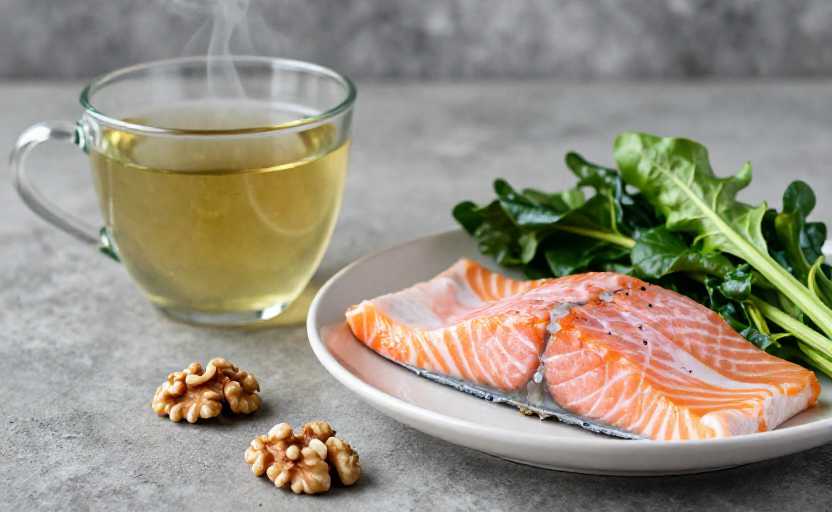
A while ago, I helped my aunt adjust her blood sugar. She had read a short video and believed that "to control sugar, you have to eat whole grains." She cooked oats and brown rice together and didn't even dare to drink porridge. After half a month, her fasting blood sugar did drop by 0.8, but she had acid reflux every day, and she didn't even have the energy to dance in the square. Later, I asked her to reduce the proportion of whole grains in her staple food to one-third, and add a small bowl of steamed pumpkin as a snack every afternoon. After a month, I tested again. Her blood sugar did not fluctuate, her stomach ached no more, and even the constipation she always suffered from before was gone. Don't tell me, this is really not an isolated case. Nowadays, there are a lot of opinions about nutrition on the Internet, and each has its own truth, and more people are falling into traps.
Take the diet structure that is the most controversial right now. The ketogenic party has been shouting "refined carbohydrates are the root of all evil" for several years. I do have friends with polycystic cysts and insulin resistance. After strictly implementing low-carb ketosis for 3 months, my hormone levels returned to the normal range. Even the acne problem that has been bothering me for many years has been mostly cured. But my colleague in the endocrinology department just admitted a 22-year-old girl last month. After following the ketogenic trend for half a year, her blood lipids soared to three times the normal value. When she came, she suffered from ketoacidosis and could not even walk. The Dietary Guidelines for Chinese Residents recommends that "cereals and potatoes account for half of the staple food, and 12 kinds of foods should be eaten every day" is indeed safe for most healthy people with regular schedules. However, if you have gout, diabetes or gastrointestinal diseases, rigid standards will cause problems - no one's statement is absolutely correct, it is just that the people it is suitable for are different.
Not only is the macroscopic diet structure controversial, but even the rights and wrongs of a single type of food can go up to hundreds of floors. The last time I went to a community to give a nutrition lecture, an aunt held up her mobile phone and asked me, "It is said online that milk is cold and that Chinese people are naturally lactose intolerant. Is it true that drinking it will harm the body?" ”In fact, from the perspective of modern nutrition, as long as you don’t have bloating or diarrhea after drinking it, 300ml of pure milk per day is the most cost-effective way to supplement calcium, and the absorption rate is much higher than taking calcium tablets that cost hundreds of dollars. But if you run to the toilet as soon as you drink milk, don't force yourself to change it to Shuhua milk, sugar-free yogurt, or drink two cups of soy milk and add a calcium supplement every day.
My own diet has never been calculated in grams. When the weather is hot in the summer, I will order iced milk tea to drink, which is 30% sugar and less ice. I will eat 100g more green leafy vegetables and walk 2,000 more steps on the same day, and I will never feel "guilty". Nutritious eating is never about being an ascetic. If you weigh yourself with a food scale every time and feel anxious for a long time after taking a bite of cake, there is a high probability that you will overeat within half a month and will gain weight faster than before. Not long ago, a young girl born in the 2000s came to me and said that in order to supplement collagen, she ate pig trotters and fish maw every day. She gained 8 pounds in three months. The collagen was not visible and her blood lipids were high. In fact, to promote collagen synthesis, it is better to eat one egg, two ounces of lean meat every day, and add an orange to supplement vitamin C. The body can synthesize it by itself, which is much more effective than eating a bunch of high-fat foods. Of course, if you just like to eat pig's trotters, it is okay to eat it once in a while to satisfy your cravings. Just don't take it as a supplement.
Oh, by the way, I have met a girl who suffered from iron deficiency anemia after eating boiled vegetables every day. She insists that "a light diet is the most nutritious". In fact, light refers to less salt, less sugar and less fried food. It does not mean that you will not even touch oil. Fat-soluble vitamins such as vitamins A and D need oil to be absorbed by the body. Boiling vegetables every day is no different from dieting in disguise.
To put it bluntly, eating is an enjoyment engraved in human genes. Don’t make yourself miserable for the so-called “correct nutrition”. Occasionally eating hot pot and skewers, as long as the overall direction is not messy, it really doesn't have any impact. After all, eating habits that can last a lifetime are truly nutritious, right?
Disclaimer:
1. This article is sourced from the Internet. All content represents the author's personal views only and does not reflect the stance of this website. The author shall be solely responsible for the content.
2. Part of the content on this website is compiled from the Internet. This website shall not be liable for any civil disputes, administrative penalties, or other losses arising from improper reprinting or citation.
3. If there is any infringing content or inappropriate material, please contact us to remove it immediately. Contact us at: