
Food allergies and pollen allergies
Many people think that food allergy and pollen allergy are two completely unrelated problems. In fact, the two are highly related - clinical data shows that 30% to 40% of pollen allergy patients will be accompanied by allergic reactions to specific foods, which is what the academic community calls "pollen-food syndrome"”; The attack mechanisms of the two have similarities at the immune level, but also have essential differences in triggering pathways, risk levels, and intervention methods. They must not be confused.
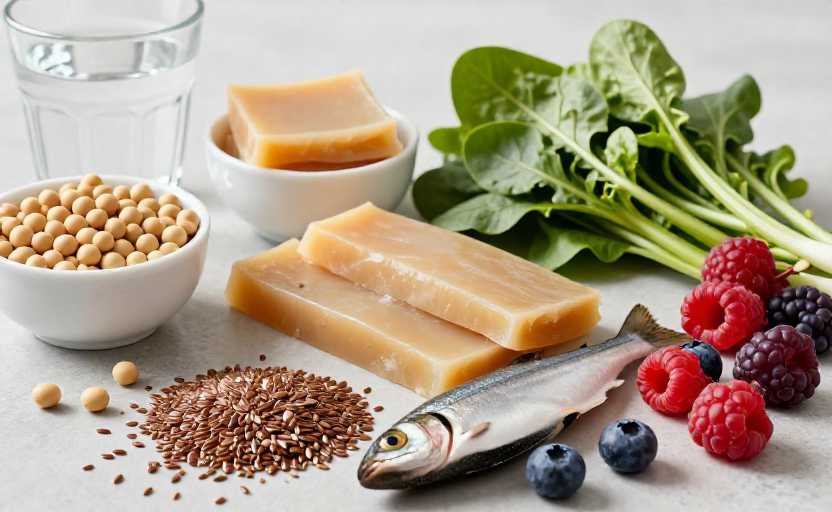
I met such a young man at the allergy clinic a while ago. He sneezed all the way to Ossen to see the cherry blossoms. At noon, he bought a box of freshly cut strawberries on the roadside. After taking two bites, he felt his lips were numb and his throat was tight. He thought it was pesticide residue on the strawberries that had not been washed away. When he went to check for allergens, he found out that he was allergic to cypress pollen, and a certain protein in the strawberry was very similar to the allergenic protein structure of cypress pollen. When the body's immune system became red-eyed, it directly attacked the strawberry protein as an intruder. To put it bluntly, this cross-reaction is like the police arresting a wanted criminal. The wanted criminal has a beard and wears glasses. When he meets another ordinary person who also has a beard and glasses, he will inevitably be arrested by mistake.
Currently, there are two main explanations for the relationship between the two in the academic community: the mainstream view is the homologous cross-reaction of proteins just mentioned. For example, people allergic to birch pollen are often allergic to rose family fruits such as apples, peaches, and cherries, and people allergic to mugwort are prone to allergies to mango, celery, and peanuts. These are all caused by similar protein structures.; There is also a school of "intestinal barrier leakage" hypothesis that has emerged in recent years. It is believed that when pollen allergy attacks, systemic inflammation levels increase, and the permeability of the intestinal mucosa will temporarily increase. Food proteins that are not usually recognized by the immune system can penetrate the mucosal barrier and induce allergies. This can also explain why some pollen allergy patients are perfectly fine eating certain types of food, but develop symptoms when they encounter it during the allergy season.
It’s quite interesting to say. I’ve seen many patients confuse the two types of allergies, or regard the food cross-reaction during the pollen season as a simple food allergy. They avoid eating a lot of their favorite fruits throughout the year, and their lives are miserable haha; Either you think food allergy is just a minor problem, you just deal with it like sneezing and a runny nose, and you end up with laryngeal edema and you go to the emergency room. In fact, the risk levels between the two are quite different: pollen allergy is mostly induced by inhalation, and the symptoms are basically concentrated in the respiratory tract and conjunctiva. Unless it induces an acute attack of severe asthma, it is rarely immediately life-threatening. ; But IgE-mediated immediate food allergy is different. It can induce anaphylactic shock in 15 minutes, which can be really fatal.
There is also considerable controversy over the intervention methods of the two. Some doctors advocate that as long as the allergenic antibodies to the corresponding food are positive, no matter whether there are symptoms or not, the food should be completely avoided to avoid inducing more serious allergic reactions. ; There is also a school of thought that only foods that have clearly caused allergic symptoms during the attack period need to be avoided during the allergy season. There is no need to avoid foods throughout the year. After all, after food is cooked at high temperatures, most allergenic proteins will be denatured and inactivated. Many people have mouth numbness after eating peaches, but eating cooked canned peaches has no problem at all. Among the cases I have been exposed to clinically, the acceptance rate of the latter is obviously higher. After all, you can’t afford to be unable to eat your favorite fruits for more than half a year because of the ten-day allergy season, right?
Of course, there is no one-size-fits-all standard answer for allergies. For patients with mugwort allergy, some people may scratch their mouths after taking a bite of raw cucumber, while others may be gnawing on a basket of mangoes without any problems. The academic community is still not fully aware of why individual differences are so large. Some people say it is related to the body's inflammation threshold, while others say it is related to differences in intestinal flora. There is no conclusion yet.
If you are really unsure whether you have a simple food allergy or a pollen cross-reaction, don't frighten yourself by blindly comparing symptoms online. Check your serum-specific IgE, and then write down the time of each attack, what you ate, and everything you touched. It is more reliable than anything else. After all, whether it’s pollen or food allergies, only by figuring out the real triggers can you avoid suffering, and don’t have to avoid eating a lot of your favorite foods for no reason, don’t you think?
Disclaimer:
1. This article is sourced from the Internet. All content represents the author's personal views only and does not reflect the stance of this website. The author shall be solely responsible for the content.
2. Part of the content on this website is compiled from the Internet. This website shall not be liable for any civil disputes, administrative penalties, or other losses arising from improper reprinting or citation.
3. If there is any infringing content or inappropriate material, please contact us to remove it immediately. Contact us at:
