
The difference and connection between preventive health care and physical examination
Physical examination is a nodal screening tool with medical quantification attributes in the preventive health care system. Preventive health care is a closed loop of health management covering the entire life cycle. The essence of the two is the inclusion and support relationship of "points" and "faces". The core goals are to reduce the risk of disease, but the implementation paths, coverage, and participating entities are very different.
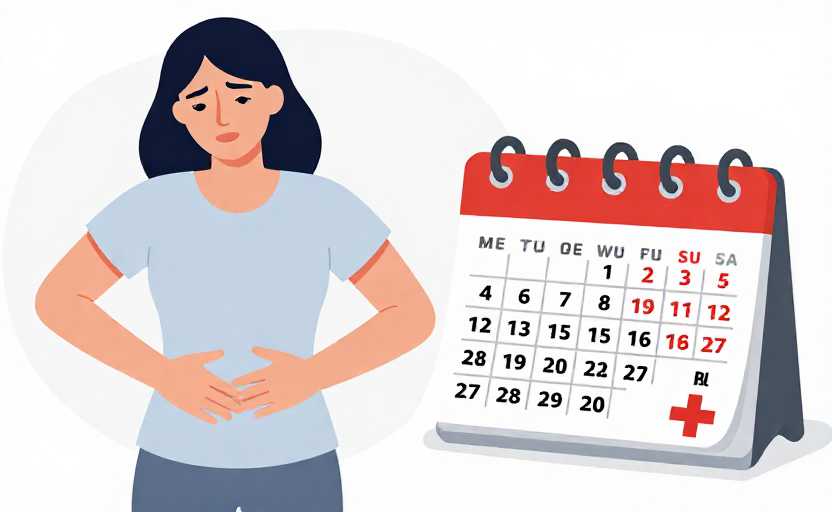
Many people confuse the relationship between the two when they first come into contact with health management. When I was doing public health follow-up in the community two years ago, I met dozens of aunties who dragged me and asked: "My work unit organizes free physical examinations every year, why do you still urge me to take antihypertensive drugs and do aerobics every day? Aren't these the same thing?" ”
It's really not the same thing. You can think of a physical examination as a high-definition snapshot of your body taken on a certain day. The tube of blood drawn and the CT done reflect your physical state at the moment of the examination. If you stayed up late the day before, your transaminase might be a little higher. This kind of nodal examination cannot cover your health status throughout the year. But preventive health care is a "dynamic documentary" that runs through you from childhood to adulthood: the hepatitis B vaccine given when you are born, the one-hour outdoor exercise required by the school every day when you are in school, consciously controlling sugar and alcohol after work, regular calcium supplements during menopause, and even regular follow-up visits and standardized medication after suffering from chronic diseases, are all included in the category of preventive health care. At present, there have been differences in the weight of the two in the industry. Most scholars in the clinical path believe that physical examination is the core of preventive health care. Without accurate medical testing data to support it, the so-called health care is all "metaphysics" without basis.” ; However, scholars on the public health approach prefer that for the healthy and sub-healthy people who make up the majority of the population, the input-output ratio of universal preventive health care measures such as lifestyle intervention and immunization programs is much higher than that of a routine physical examination once a year. Both views are supported by data. The essence is that the applicable scenarios are different and there is no absolute right or wrong.
Besides, the coverage boundaries of the two are also very different. The boundaries of physical examination are very clear and can only be carried out by qualified medical institutions or testing institutions. Even the currently popular home genetic testing and tumor marker screening are still medical testing in nature, with only one core goal: to find abnormalities that already exist in your body but have not yet shown symptoms. But the boundaries of preventive care are much wider. The fitness path installed downstairs in your community, the "light food section" online on the takeout platform, the salt reduction science printed on the back of the anti-fraud leaflet issued by the Centers for Disease Control and Prevention, and even the "stay up less late and drink more hot water" that your mother repeats in your ear every day, as long as they are measures that can reduce the risk of disease, are all part of preventive care. I was particularly impressed by an elderly man with high blood pressure in the community last year. His blood pressure was very well controlled during his annual physical examination, but he drank half a catty of liquor every time in private. We followed him up for more than half a year and tried hard to get him to reduce his drinking to one or two. This year, he was in poor health. The blood pressure test is still stable. If it hadn't been for more than half a year of intervention, I might have suffered a cerebral hemorrhage one day when I was excited. A physical examination can only tell you "your indicators are fine now", but preventive care can help you reduce the probability of "problems in the future".
But you said the two have nothing to do with each other? That's not right either. Let’s talk about this old man again, if he didn’t have a physical examination every year, we wouldn’t even know what his baseline blood pressure is, and we wouldn’t even have a basis for persuading him to stop drinking. He might have kicked us out of the house because we were annoying. Physical examination is essentially the "anchor" of preventive health care. All your health care plans must be formulated based on your real body data. Otherwise, if others say you drink soy milk to replenish protein, if you already have high uric acid and still drink it every day, won't this cause eating problems? Another common controversy can be mentioned here: Many people who advocate traditional health care will think that "physical examinations are a pitfall of Western medicine. Old Chinese medicine doctors can know all the problems by taking a pulse, and there is no need to do an examination at all." In fact, this view has also gone to the other extreme - whether it is the visual inspection of traditional Chinese medicine or the instrument testing of Western medicine, they are essentially "physical examination methods" to obtain body data, but the technical paths are different. In the end, they are all to provide reference for subsequent preventive health care plans. There is no need to compete with each other. The one that suits you is the best.
I have been doing primary health management for almost 6 years, and the two misunderstandings I have encountered the most are: "I have physical examinations every year, and it is okay to eat and drink as much as I can, and problems can be detected anyway"; or I think "physical examinations are a lie, and I usually pay attention to my health so I don't have to spend the wasted money." To be honest, both of these are terrible. I usually make an analogy with my friends, if you buy a car, you need to have it inspected every year, right? But don’t you usually wash your car, change the oil, or do maintenance? But on the other hand, no matter how diligently you maintain it, it cannot replace the annual inspection, right? The same is true for the body.
Last week, a young girl who had just worked for two years came to me for consultation, asking whether she should have cervical cancer screening every year when she is 25 years old. My advice to her was to get the nine-valent HPV vaccine first (this is primary preventive care), and then, depending on the vaccination status, do a TCT screening (this is a physical examination) every 3 to 5 years. Only by working together can the risk of the disease be minimized. To put it bluntly, if you regard physical examination as an annual "health test" and preventive health care as "daily accumulation", only by combining the two can you really take your health into your own hands.
Disclaimer:
1. This article is sourced from the Internet. All content represents the author's personal views only and does not reflect the stance of this website. The author shall be solely responsible for the content.
2. Part of the content on this website is compiled from the Internet. This website shall not be liable for any civil disputes, administrative penalties, or other losses arising from improper reprinting or citation.
3. If there is any infringing content or inappropriate material, please contact us to remove it immediately. Contact us at:
