
Dietary precautions for the elderly after 60 years old
After the age of 60, metabolism slows down and requires fewer nutrients. Dr. Alice H. Lichtenstein, an expert at the Center for Aging Research at Tufts University in the United States, said that the elderly require less calories than young people, but they require more nutrients such as calcium, vitamin D, and vitamin B12. It is recommended that the elderly should eat more foods rich in these nutrients.
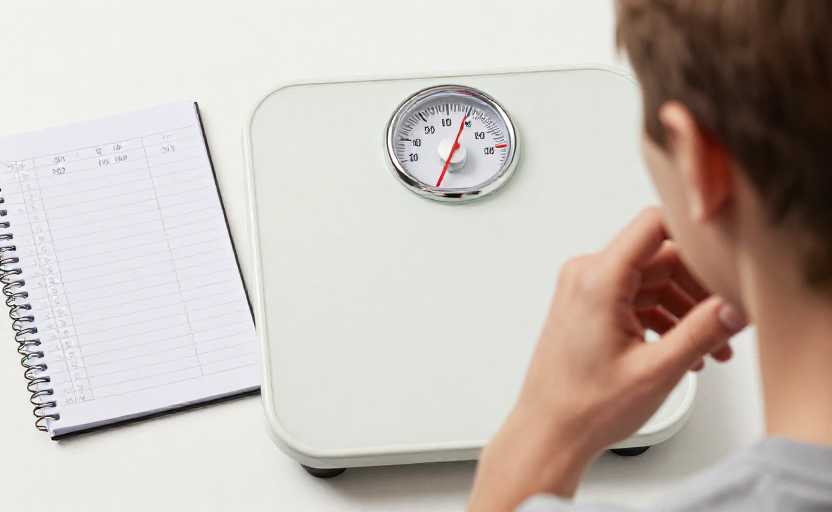
elderly No need to worry about being overweight or obese. Obesity is an increasingly serious problem among the elderly. The reason is the same as in other age groups. If the caloric intake exceeds the caloric requirements, the excess calories will be stored in the body in the form of fat. Obesity increases the risk of heart disease and type 2 diabetes.
If you don't have a weight problem, you can eat whatever you want. Dr. Nancy Wellman, former president of the American Diabetes Association, said that even if you are slim, a poor diet can increase the risk of many chronic diseases. sexually transmitted diseases Danger. For example, a diet rich in saturated fat increases cardiovascular disease Danger.
When you have no appetite, it doesn’t matter if you skip a meal. Dr. Wellman said that frequent skipping of meals by the elderly is very harmful and can easily lead to overeating, blood sugar fluctuations, appetite suppression and other problems. Your appetite is strongest in the morning, so you must eat a good breakfast. Even if you are not too hungry, you must eat something at lunch and dinner.
Drink water when you are thirsty and you will not become dehydrated. Dr. Lichtenstein said that due to physiological changes, older adults do not feel thirsty even if they are dehydrated. It is recommended that the elderly drink an appropriate amount of water every day and try to choose boiled water or mineral water.
Eat half of a meal and leave the other half to save money and time. Dr. Katherine Niedt, chief advisor to the American Nutrition Society, said leftovers can easily lead to deficiencies in key nutrients and make food spoilage. Due to the decreased sense of smell in the elderly, it is sometimes difficult to smell the smell of spoiled food, making them prone to food poisoning. It is recommended that leftover meals be placed in the refrigerator. It should be cooked thoroughly before consumption.
Start after age 65 healthy Lifestyle is too late. It’s never too late to make healthy changes in your diet or lifestyle. Several studies have shown that lifestyle changes after a heart attack can significantly reduce the risk of another heart attack.
Disclaimer:
1. This article is sourced from the Internet. All content represents the author's personal views only and does not reflect the stance of this website. The author shall be solely responsible for the content.
2. Part of the content on this website is compiled from the Internet. This website shall not be liable for any civil disputes, administrative penalties, or other losses arising from improper reprinting or citation.
3. If there is any infringing content or inappropriate material, please contact us to remove it immediately. Contact us at:
