
Diet taboos for migraines
There is no absolutely universal prohibition list. Currently, high-risk foods that have been clinically proven to trigger pain are concentrated in five categories: high tyramine, high nitrite, additional sodium glutamate, and excessive caffeine/alcohol. When it comes to the specific list of taboos for each person, you have to follow your own body's reaction. You may not be able to eat anything that hurts others.
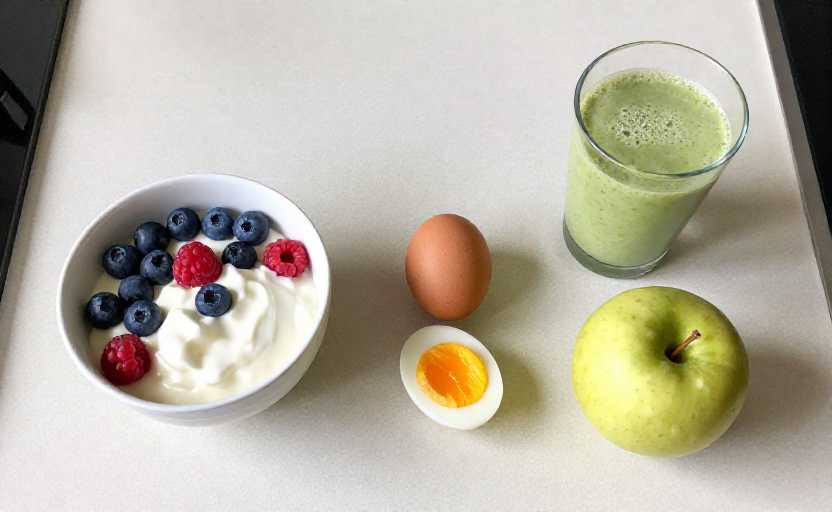
I met Lao Chen who suffered from migraines for 12 years. For the first two years, he dared not eat anything and even gave up coffee. As a result, he still had pain two or three times a week. Later, after listening to the doctor's advice and keeping a food diary for two months, he discovered that his trigger source was not the coffee that everyone said, but the sauced meat buns from the bun shop that he often ate in the morning. The nitrite content of cured pork in them was higher than that of processed ham. After he stopped, the frequency of attacks dropped by 70%.
Friends who have checked the information of the International Headache Association may know that tyramine foods have always been ranked among the top three triggers. However, doctors from different schools have quite different opinions on the specific taboos. Traditional neurologists will sometimes just give you a long list of fastings: aged cheeses, cured meats, citrus, chocolate, and red wine are all off limits, but now more and more functional medicine and headache specialists don’t recommend a one-size-fits-all approach. It’s interesting to say that I’ve seen people eat blue cheese so much that they vomited on the spot, and they were fine after eating pizza made of fresh mozzarella for three days. The core is that the tyramine content of different fermented foods varies by more than ten times, and it cannot be generalized at all. Including seafood that many people say should not be touched. In fact, most fresh seafood has no problems. Only stale seafood that has been stored for a day or two will cause pain when the tyramine content soars. Last time, a patient ate leftover crabs that had been stored in the refrigerator for two days and went to the emergency room for pain. Previously, he was fine even if he ate three fresh hairy crabs at a time.
Speaking of invisible trigger sources that are easily overlooked, we have to mention the freshness enhancers in takeout that everyone often orders. In order to enhance the freshness, many restaurants add a lot of monosodium glutamate, also known as MSG, to the dishes, and many semi-finished dishes also contain complex flavoring agents such as disodium nucleotide. People who are sensitive to these substances may start to feel pain half an hour after eating. I met a girl who always got sick every time she ate braised chicken. Later, I made the same ingredients at home without adding MSG, and it was completely fine. By the way, there is another pitfall that many people have stepped on, which is the so-called zero-calorie sparkling water. Some of them contain artificial sweeteners such as aspartame, which is also a trigger source for some people. I have a friend who drinks zero-calorie Coke every day and gets pain once a week. If he switches to a small amount of ordinary sugary Coke, he will be fine. It sounds like metaphysics, but it does happen.
Caffeine is probably the most controversial category. Some people say that drinking a cup of coffee can relieve pain, while others say that it hurts after just one sip. In fact, both statements are correct. For people who rarely touch caffeine, more than 100mg of caffeine may trigger vasoconstriction and induce headaches. However, for people who drink 1-2 cups of coffee every day, sudden withdrawal from coffee will cause withdrawal-related vasodilation, which will cause more pain. Therefore, there is no need to follow the trend and quit coffee. The same applies to chocolate. Some studies say that the magnesium in dark chocolate can relieve migraines, while others say that the tyramine and phenylethylamine in it can trigger migraines. There is no conclusion yet, and it all depends on the individual's constitution.
If you really can't figure out what you can't eat, and you don't eat this or that, and you are prone to nutritional deficiencies, just take a small notebook or a memo on your phone, and go back 24 hours every time you feel pain. Write down everything you eat, drink, and even the amount you eat. If you keep track of it for 1-2 months, you will basically be able to figure out the rules. It is much more reliable than following the list on the Internet.
After all, the dietary taboos for migraine are never meant to make you dare not eat this or touch that, but to help you avoid the minefields of your body. After all, anyone who has had a migraine knows that the pain makes it difficult to open your eyes and even speak with difficulty. It is much more uncomfortable than missing a bite of your favorite bacon or missing a glass of ice wine. Slowly figuring out your body's temperament is better than any list given by experts.
Disclaimer:
1. This article is sourced from the Internet. All content represents the author's personal views only and does not reflect the stance of this website. The author shall be solely responsible for the content.
2. Part of the content on this website is compiled from the Internet. This website shall not be liable for any civil disputes, administrative penalties, or other losses arising from improper reprinting or citation.
3. If there is any infringing content or inappropriate material, please contact us to remove it immediately. Contact us at:
