
At what age do women go through menopause? 6 tips to help menopausal women take care of themselves
menopause period female Osteoporosis is most likely to occur because menopause represents ovarian function failure. Ovarian failure causes estrogen deficiency, which has a negative impact on women's health. healthy unfavorable. Therefore, if you have menopause, you need to take good care of yourself. In addition, you should also learn more about menopause so as to ensure good health. Someone asked at what age do women go through menopause? How do women take care of themselves after menopause? Next, I will introduce them one by one for your reference.
At what age do women undergo menopause?
The age of menopause for women is generally between 45 and 55 years old, but this is not fixed. After all, everyone’s constitution, physical health, and living conditions are different, which have a great impact on the age of menopause.
Women with good living conditions generally have later menopause, while women with poor living conditions have earlier menopause. Some women may suffer from excessive life pressure, mental stress, or physical problems. disease etc. leading to early menopause. The following is an introduction to the symptoms of women who are about to undergo menopause for your reference.
1. Facial flushing and heat
Starting from the lower part and spreading upward to the entire face, there is often significant blood vessel dilation, redness, and sweating all over the face. Dizziness, vertigo, and flushing may occur at the same time, with varying degrees of flushing. Some may be limited to the face and neck, but may also be frequent and severe.
2. Changes in menstrual cycle
The cycle is prolonged, the intervals between menstruation are extended, or menstruation does not come in February or March, and then returns to its natural pattern after a few months. This alternating pattern of menopause and regular menstruation can last for one or two years. Some women have short cycles and excessive menstruation for a period of time.
3. Plants nerve disorder
Especially at night, there is abnormal sensation and spasm in the extremities, heaviness of the lower limbs, and the legs seem to not know where to put them. Pain in the lower abdomen, palpitation, precordial pain, headache, dizziness, insomnia and syncope. Often irritable, emotionally unstable, prone to losing temper, sometimes suspicious and depressed.
4. Changes in the appearance of menstrual blood
The blood color becomes lighter, pink, or even black, mixed with small blood clots and fiber fragments. The amount of menstrual blood also changes. Some women experience a gradual decrease in menstrual blood volume, but others experience increased bleeding or heavy bleeding. The length of menstrual periods also varies. Some gradually become shorter, only 2 to 3 days, while for other women, the menstrual period is prolonged and can last up to 10 days.
How do women take care of themselves after menopause?
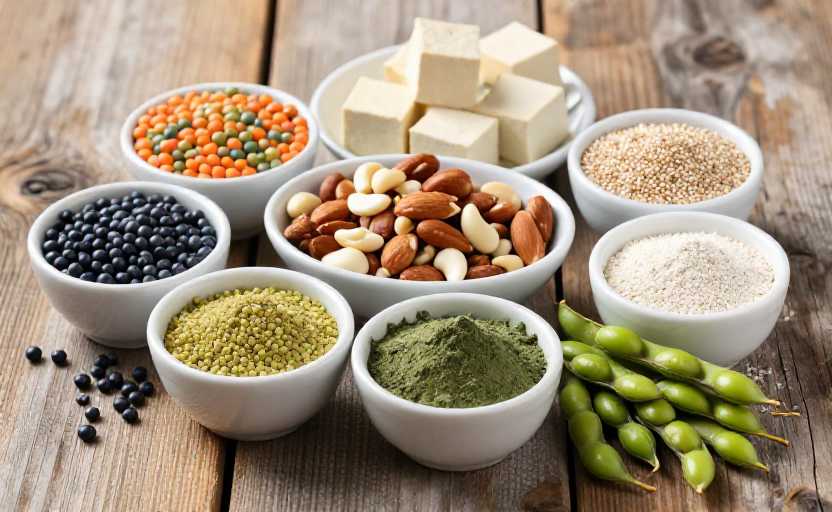
1. Eat more soybeans and soy products
Because soybeans are rich in high-quality protein, calcium, phosphorus, iron and multiple vitamins.
2. Eat more whole grains
Such as millet, corn, mushrooms, animal liver, kidney, lean meat and milk, green leafy vegetables and fruits can also be eaten regularly, because they can increase appetite and help digestion.
3. Exercise exercise
Exercising outdoors and receiving moderate amounts of sunlight are beneficial to calcium absorption. Muscle contraction during exercise and direct pulling on bones will help increase bone density.
4. Maintain ovaries
The ovaries are important female reproductive and endocrine organs. Maintaining ovarian health can delay aging and maintain normal menstruation. Women eating more soybeans, lentils, cereals, wheat, black rice, sunflower seeds, onions and other foods are beneficial to the maintenance of ovaries and prevent premature ovarian failure occur.
5. Eat more fresh fruits and green leafy vegetables
Such as apples, pears, bananas, oranges, hawthorns, fresh dates, rapeseed, tomatoes, carrots, etc., these foods are harmful to anemia It has better therapeutic effect. Longan, jujube, red bean, glutinous rice, lotus seeds, etc. can be used to cook porridge. At the same time, eat more foods containing iron, calcium and fiber to make up for blood loss and reduce osteoporosis. In particular, fiber can stimulate intestinal peristalsis and prevent constipate , reduce the absorption of cholesterol.
6. Carry out self-care after menopause
(1) Tell your doctor frankly about your menopausal symptoms.
(2) Take calcium tablets or eat calcium-rich foods.
(3), quit smoking and drinking, coffee and caffeinated foods.
(4). Have a positive attitude towards life and not be depressed or negative.
(5). You should be in a happy mood every day and avoid being nervous and stressed.
(6) Strictly control your weight, not too thin but not too fat.
(7) Eat nutritious foods and eat less foods high in fat.
(8) Frequent physical examinations are required. Women over 40 years old should have an examination every six months.
(9) You might as well find some new things to do for yourself, such as participating in voluntary work, etc., to make your life more fulfilling.
(10) After menopause, you should have a habit of exercising and exercise regularly to improve your body's immunity.
Disclaimer:
1. This article is sourced from the Internet. All content represents the author's personal views only and does not reflect the stance of this website. The author shall be solely responsible for the content.
2. Part of the content on this website is compiled from the Internet. This website shall not be liable for any civil disputes, administrative penalties, or other losses arising from improper reprinting or citation.
3. If there is any infringing content or inappropriate material, please contact us to remove it immediately. Contact us at:
